CXL Memory Pooling Ends the Era of Wasted Server RAM
CXL Memory Pooling Ends the Era of Wasted Server RAM
GAA Nanosheet Transistors: Biggest Chip Shift Since 2011
Wafer-on-Wafer Bonding Breaks AI's Bandwidth Wall
Why Quantum Computers Need 1,000 Qubits for One
TPM 2.0 and Pluton: Hardware Root of Trust Explained
Why Quantum Computing Bet on One Qubit Design
TL;DR: TPM 2.0 is a dedicated security chip that protects your computer's boot process, encryption keys, and credentials at the hardware level. Now mandatory for Windows 11, it forms the foundation of modern security features like BitLocker and Windows Hello, though firmware vulnerabilities mean keeping it updated remains critical.
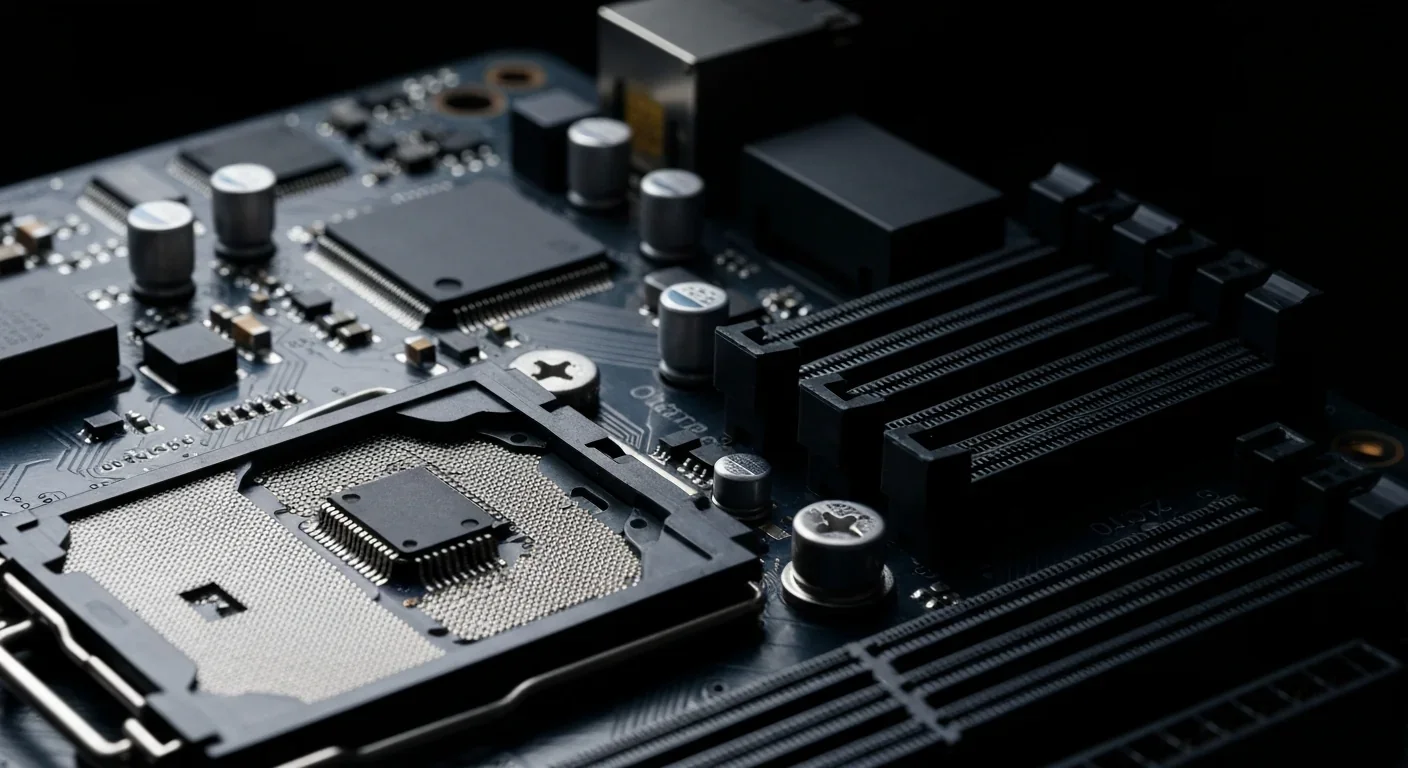
The next time you boot your laptop, a chip smaller than your fingernail will quietly verify that nobody has tampered with your system before the operating system even loads. You've probably never thought about it. But this Trusted Platform Module, or TPM 2.0, is now the mandatory foundation of security on every new Windows PC, and its influence stretches far beyond Microsoft's ecosystem.
Understanding how it works isn't optional anymore for anyone who manages, procures, or depends on computing hardware.
A TPM is a dedicated security cryptoprocessor that lives on your motherboard or inside your CPU. Think of it as a tamper-resistant vault for cryptographic keys. It can generate keys, sign data, encrypt secrets, and verify that your system's boot process hasn't been altered. The critical difference from software-only security? The TPM operates in its own isolated environment. Even if malware compromises your operating system, it can't reach the keys stored inside the TPM's hardware boundary.
The Trusted Computing Group (TCG), an industry consortium, develops the TPM standard. They published the TPM 2.0 specification in 2014, which was subsequently adopted as the international standard ISO/IEC 11889:2015 with support from over 20 countries, including the US, UK, Japan, China, and Australia.
If you've heard of TPM before, you might wonder what changed. The answer: nearly everything.
TPM 1.2 used a rigid, single-owner authorization model with only SHA-1 hashing and RSA-2048 encryption. SHA-1 has been considered cryptographically broken since 2017. TPM 2.0 introduced SHA-256, ECC (Elliptic Curve Cryptography), AES-128, AES-256, and a flexible "algorithm agility" design that lets manufacturers add new cryptographic methods without replacing the chip.
The authorization model got a complete overhaul too. TPM 2.0 uses three separate hierarchies: an Endorsement Hierarchy for manufacturer identity, a Storage Hierarchy for user keys, and a Platform Hierarchy for firmware-level operations. Each hierarchy can have its own authorization policy. This means an operating system, a cloud provider, and a device manufacturer can each maintain separate trust domains on the same chip.
TPM 2.0 is not backward compatible with TPM 1.2. Organizations running legacy systems can't just update firmware and call it done. This incompatibility is one reason the transition has been so disruptive.
And here's the detail that matters most for compatibility: TPM 2.0 is not backward compatible with TPM 1.2. Organizations running legacy systems can't simply update firmware. This incompatibility is one reason the transition has been so disruptive for enterprises with large installed bases of older hardware.
The most important job your TPM performs happens before you see your desktop. Two complementary processes, Secure Boot and Measured Boot, work together to ensure nothing malicious has slipped into the startup sequence.
Secure Boot acts as a gatekeeper. It allows only signed, trusted components to execute during the boot process. If a bootkit or rootkit tries to load unsigned code at startup, Secure Boot blocks it. The TPM provides the cryptographic foundation that makes this signature verification trustworthy.
Measured Boot takes a different approach. Instead of blocking suspicious code, it creates a tamper-evident record of every component that loads during boot. Each component in the boot chain, from UEFI firmware through the bootloader to the kernel, gets hashed and recorded in the TPM's Platform Configuration Registers (PCRs). Each PCR corresponds to a specific boot phase: PCR 0 for UEFI firmware, PCR 4 for the boot loader, PCR 7 for Secure Boot state, PCR 9 for kernel and initramfs.
The genius of this system is that PCR values can't be faked. They use a cryptographic "extend" operation where each new measurement is combined with the previous one. Any change to any boot component produces completely different PCR values.
"Measured boot with TPM 2.0 gives you visibility into the boot process that you cannot get any other way. It will not prevent attacks, but it will detect them."
- Nawaz Dhandala, Security Practitioner
Beyond boot security, TPM 2.0 protects the encryption keys that keep your data confidential.
BitLocker, Microsoft's full-disk encryption, is the most visible example. When you enable BitLocker, it seals the volume master key to specific TPM PCR values, specifically PCRs 0, 2, 4, 7, and 11 by default. The key can only be retrieved when those PCRs contain the expected values. If someone removes your hard drive and puts it in another machine, or if a bootkit alters the startup sequence, the PCR values won't match and the TPM refuses to release the encryption key. Your data stays locked.

Windows Hello takes this further for authentication. When you set up a Windows Hello PIN, the system generates an asymmetric key pair with the private key stored inside the TPM. The PIN never leaves your device. Even if an attacker watches you type it, they can't use it without physical access to your specific machine. The TPM also implements hardware-based rate limiting that locks out brute-force attempts after too many wrong guesses.
For enterprises, Windows Hello for Business replaces passwords entirely with TPM-backed asymmetric key credentials. The private key never leaves the chip, making phishing attacks against these credentials essentially pointless. A fake login page can trick someone into typing a password, but it can't replay a Hello credential because the cryptographic proof is bound to a specific device's TPM.
Not all TPMs are created equal. Two fundamentally different implementations exist, and understanding the distinction matters for security decisions.
A discrete TPM (dTPM) is a standalone hardware chip physically separate from the CPU. It has its own processor, memory, and cryptographic engine. Because it's physically isolated, malware that compromises the main CPU can't directly reach the TPM's secrets. Discrete TPMs can achieve FIPS 140-3 Level 3 certification, making them the preferred choice for government systems, financial institutions, and regulated industries.
A firmware TPM (fTPM) runs inside the CPU's protected execution environment. Intel calls theirs Platform Trust Technology (PTT); AMD calls theirs fTPM. There's no separate chip, so the TPM functionality shares the CPU's silicon. This reduces hardware cost and is why most consumer PCs ship with fTPM enabled by default.
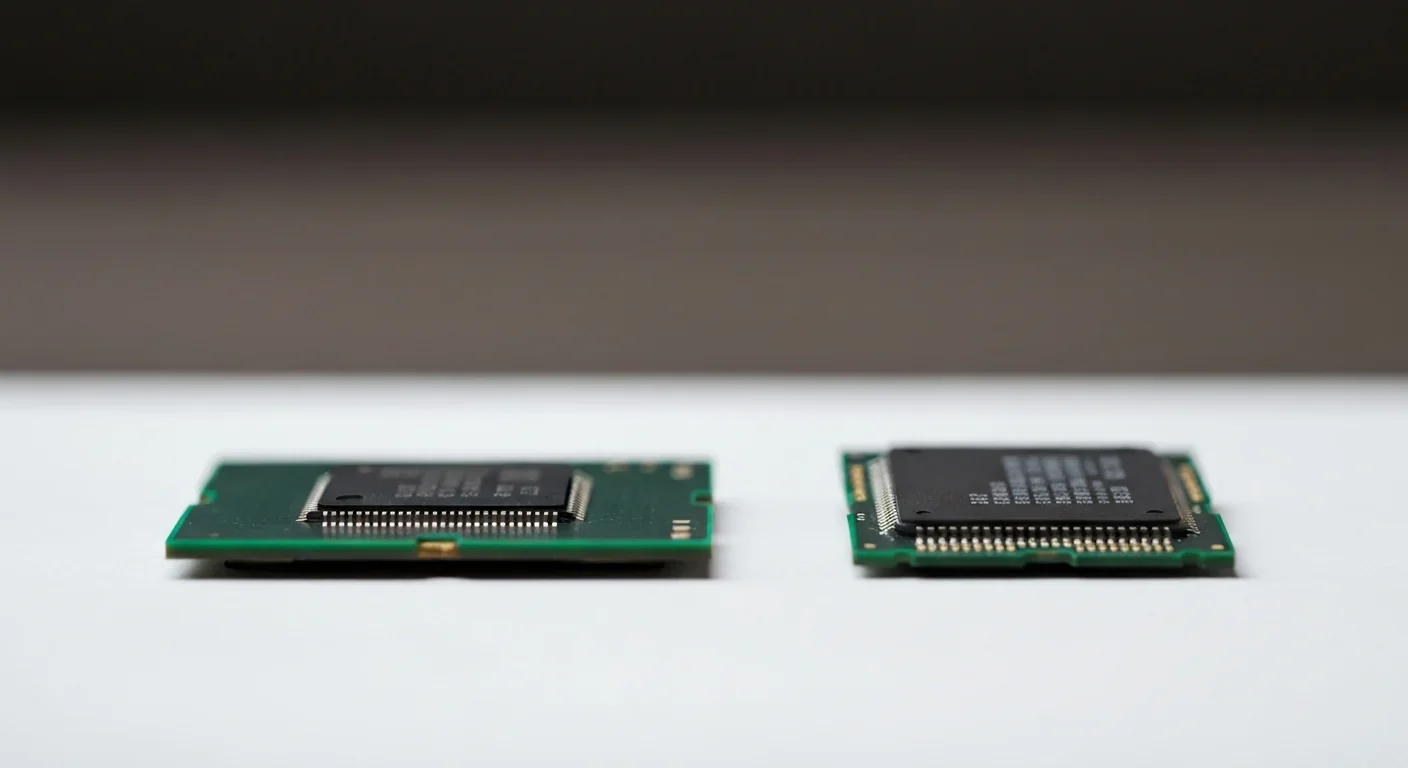
The trade-offs are real. Firmware TPMs use CPU resources for cryptographic operations, so latency spikes can occur during heavy workloads like BitLocker key generation. More critically, fTPMs inherit the firmware's attack surface. If a firmware or microcode vulnerability exists, an attacker might leverage the same channel to tamper with TPM operations. In industrial settings, firmware updates can sometimes corrupt fTPM state and trigger BitLocker lockouts.
For most consumers and general businesses, fTPM provides sufficient security. The real differentiator is FIPS certification, which discrete TPMs carry and firmware TPMs typically don't.
TPMs defend against entire classes of attacks. Bootkits that hijack the startup process get caught because they change PCR measurements. Evil Maid attacks, where someone with physical access modifies boot firmware on an unattended laptop, fail because the altered measurements prevent the TPM from releasing encryption keys. Credential theft via phishing becomes dramatically harder when authentication keys live in hardware that can't be exported.
But TPMs aren't invulnerable. The history of TPM vulnerabilities is sobering. In 2023, researchers discovered CVE-2023-1017 and CVE-2023-1018, buffer overflow vulnerabilities in the TPM 2.0 reference implementation that could be triggered by user-mode applications sending malicious commands. These flaws affected revisions 1.59, 1.38, and 1.16 of the reference code and potentially impacted billions of IoT devices.
TPM security is only as strong as the firmware surrounding it. A single upstream vulnerability in the reference implementation can potentially impact millions of endpoints, bypassing the defense-in-depth traditionally offered by diverse, discrete security components.
More recently, CVE-2025-2884 targeted AMD Ryzen's TPM-Pluton implementation, exploiting an out-of-bounds read in the CryptHmacSign function that could expose up to 65,535 bytes of sensitive memory. AMD responded with a firmware patch, but OEM rollout lagged behind the advisory, leaving some systems exposed.
Eclypsium researchers also found that Palo Alto Networks firewalls had misconfigured SPI flash access controls alongside known TPM 2.0 code vulnerabilities, showing that even enterprise security appliances can ship with flawed TPM implementations.
Physical attacks remain possible too. A 2021 Dolos Group demonstration showed that discrete TPM communication buses could be sniffed with specialized equipment, and fault injection attacks can bypass Secure Boot by glitching voltage or clock signals during the verification process.
When Microsoft launched Windows 11 in October 2021, it did something unprecedented: it made TPM 2.0 a hard requirement for installation. No TPM 2.0, no Windows 11. This was the largest industry push toward hardware-rooted security in consumer computing history.
The impact has been massive. According to Dell's late-2025 earnings call, roughly 500 million PCs can run Windows 11 but haven't upgraded yet, while another 500 million are too old to meet the TPM 2.0 baseline. That's half a billion machines headed for replacement, driving an enormous hardware refresh cycle.
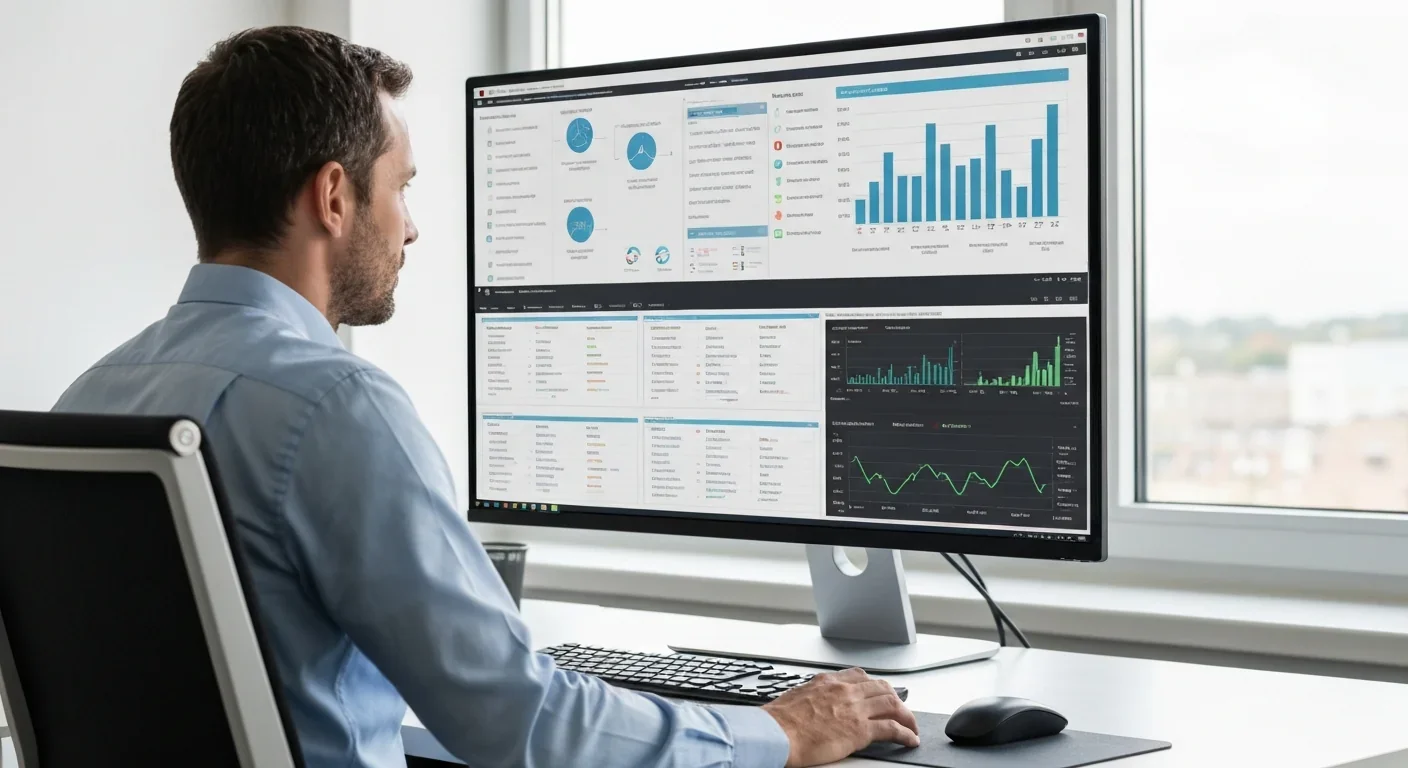
For IT departments, this creates both cost pressure and opportunity. The forced hardware upgrade means every new machine comes with TPM-backed security features by default, including BitLocker, Windows Hello, and Virtualization-Based Security (VBS). Organizations that lean into this can build meaningfully stronger security postures.
The most forward-looking application of TPM technology is remote attestation, the foundation of zero-trust security models. In a remote attestation flow, a device's TPM generates a cryptographic proof of its boot state that a remote server can verify. The server doesn't have to trust the device's software claims about its own integrity. Instead, it gets hardware-backed evidence.
Cloud providers have already adopted this through virtual TPMs. AWS NitroTPM, Azure Trusted Launch, and GCP Shielded VMs all provide vTPM capabilities that enable the same measured boot and attestation workflows in cloud environments. Even gaming is getting in on the action: Microsoft's anti-cheat systems now use TPM-based attestation to verify that client devices haven't been modified before launching competitive matches.
"By placing trust anchors in hardware and verifying the boot chain cryptographically, server-side services can obtain stronger evidence that a client hasn't been stealthily modified."
- Microsoft Gaming Security Initiative
Within the next decade, you'll likely see TPM attestation become a prerequisite for accessing corporate networks, cloud services, and even certain consumer applications. The chip you never think about is quietly becoming the gatekeeper for digital trust itself.
If you're an IT professional, check your fleet. Run tpm.msc on Windows machines to verify TPM 2.0 is present and active. For high-security environments, evaluate whether discrete TPMs are worth the procurement overhead over firmware implementations. Keep firmware religiously updated, because TPM security is only as strong as the code surrounding it.
If you're a technology decision-maker, the message is straightforward. TPM 2.0 isn't a checkbox requirement for Windows 11 compatibility. It's the hardware foundation that makes modern security features actually work. BitLocker without TPM is significantly weaker. Windows Hello without TPM loses its phishing resistance. Zero-trust without attestation is just a buzzword.
The tiny chip you've never thought about is doing more to protect your secrets than any software firewall ever could. The question isn't whether to adopt it. The question is whether you're getting everything from it that you should be.

Project Orion was a real 1960s program to reach other stars by detonating 800 nuclear bombs behind a spacecraft. The physics worked and the engineering was feasible, but the 1963 nuclear test ban treaty killed it. It remains the most credible interstellar spacecraft ever designed.

The locus coeruleus, a tiny brainstem structure, degenerates decades before Alzheimer's symptoms appear. Its loss cripples the brain's inflammation control, waste clearance, and sleep regulation. New imaging tools and noradrenergic therapies offer hope for early detection and prevention.

Research shows the sharing economy often increases total resource consumption through the Jevons paradox and rebound effects. Ride-sharing adds billions of vehicle miles, co-working spaces use more energy per worker, and diffused responsibility erodes conservation behavior. Breaking the paradox requires congestion pricing, accountability design, and matching sharing models to appropriate resource types.

Psychological reactance theory explains why banning or restricting things makes people want them more. From Prohibition to the Streisand effect to scarcity marketing, research shows that threatening people's freedom reliably backfires, and autonomy-supportive communication is far more effective.

A carnivorous pitcher plant in Borneo evolved to house bats instead of trapping insects, gaining up to 95% of its nitrogen from bat guano. The plant even built an ultrasonic reflector to help bats find it, revealing that carnivory in plants is a flexible spectrum.
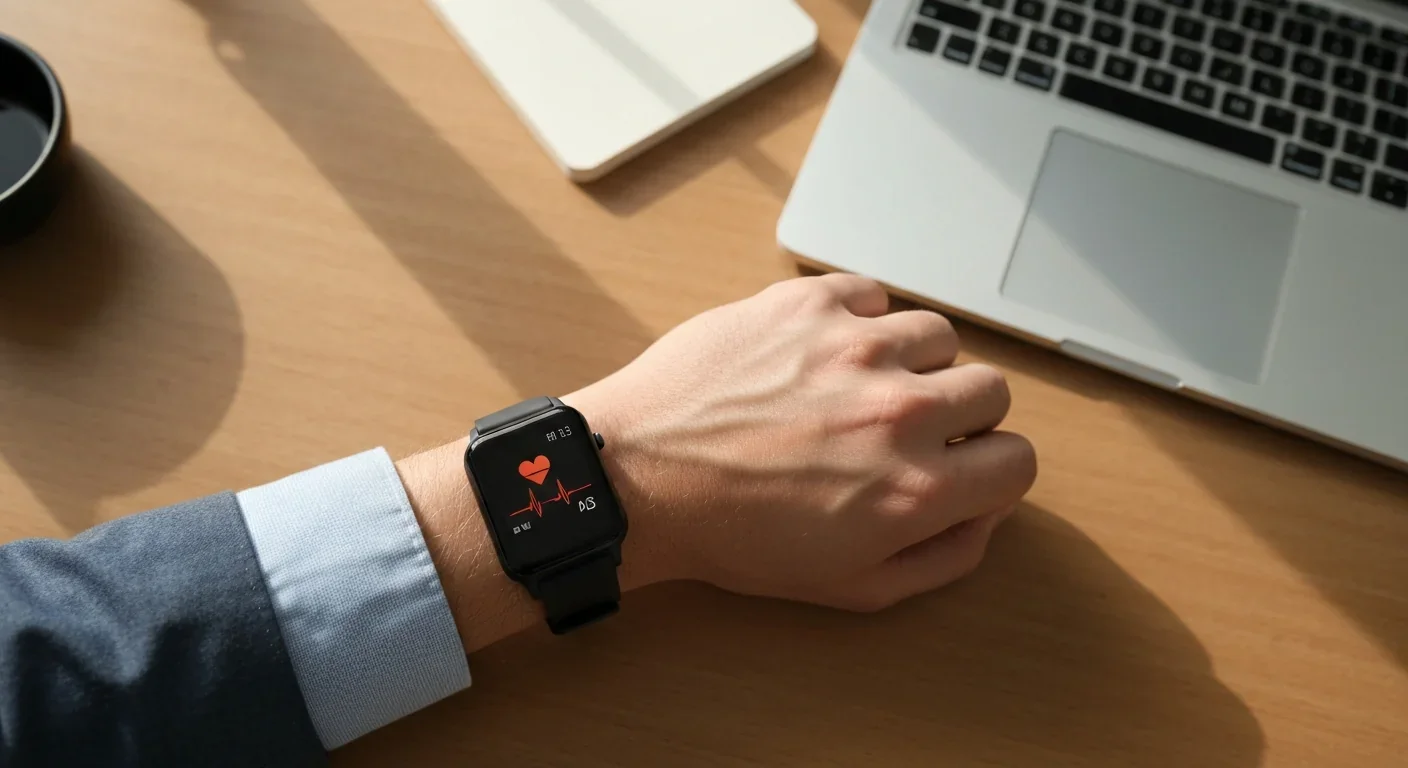
The quantified self movement began as a hacker-ethos pursuit of personal insight, but corporate wearables now funnel biometric data to employers, insurers, and data brokers. With 81% of Americans wrongly believing health apps are HIPAA-protected, a regulatory void enables health data to be sold for pennies while generating anxiety instead of empowerment.
CXL memory pooling lets servers dynamically share DRAM over a cache-coherent interconnect, eliminating the 40% stranded memory waste in data centers. With commercial hardware now shipping and Azure deploying CXL cloud instances, this technology promises to cut memory costs by 50% while enabling composable infrastructure.

Loading featured articles...