CXL Memory Pooling Ends the Era of Wasted Server RAM
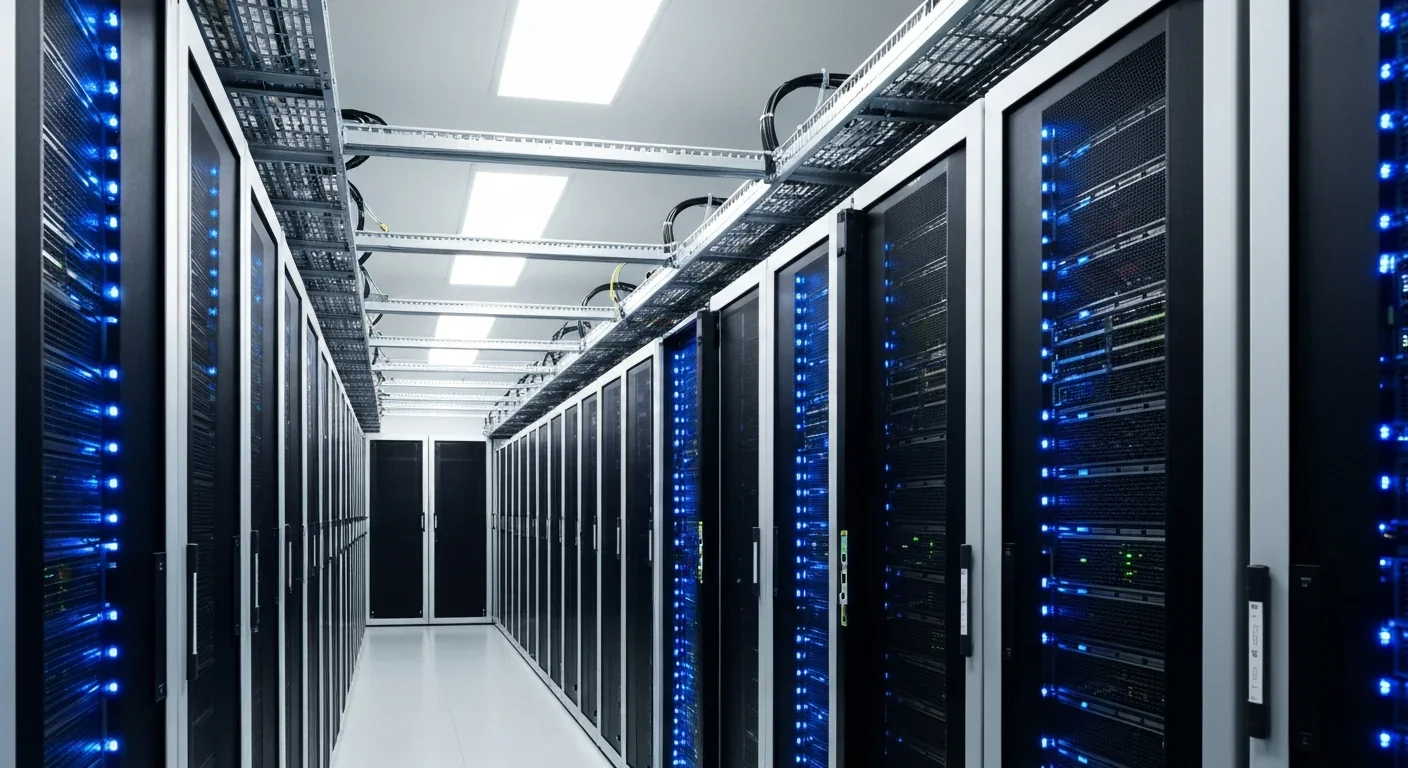
CXL Memory Pooling Ends the Era of Wasted Server RAM
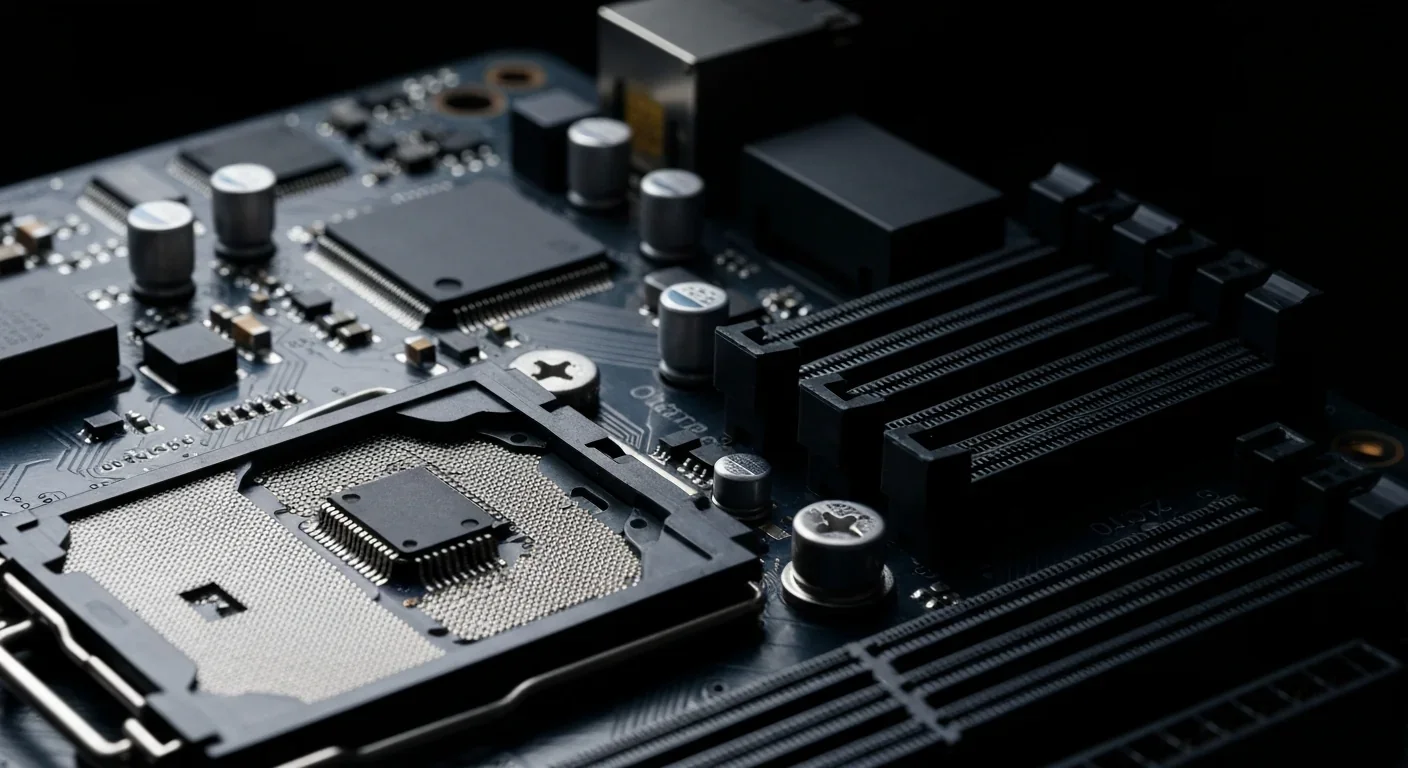
TPM 2.0 Explained: The Security Chip Protecting Your PC
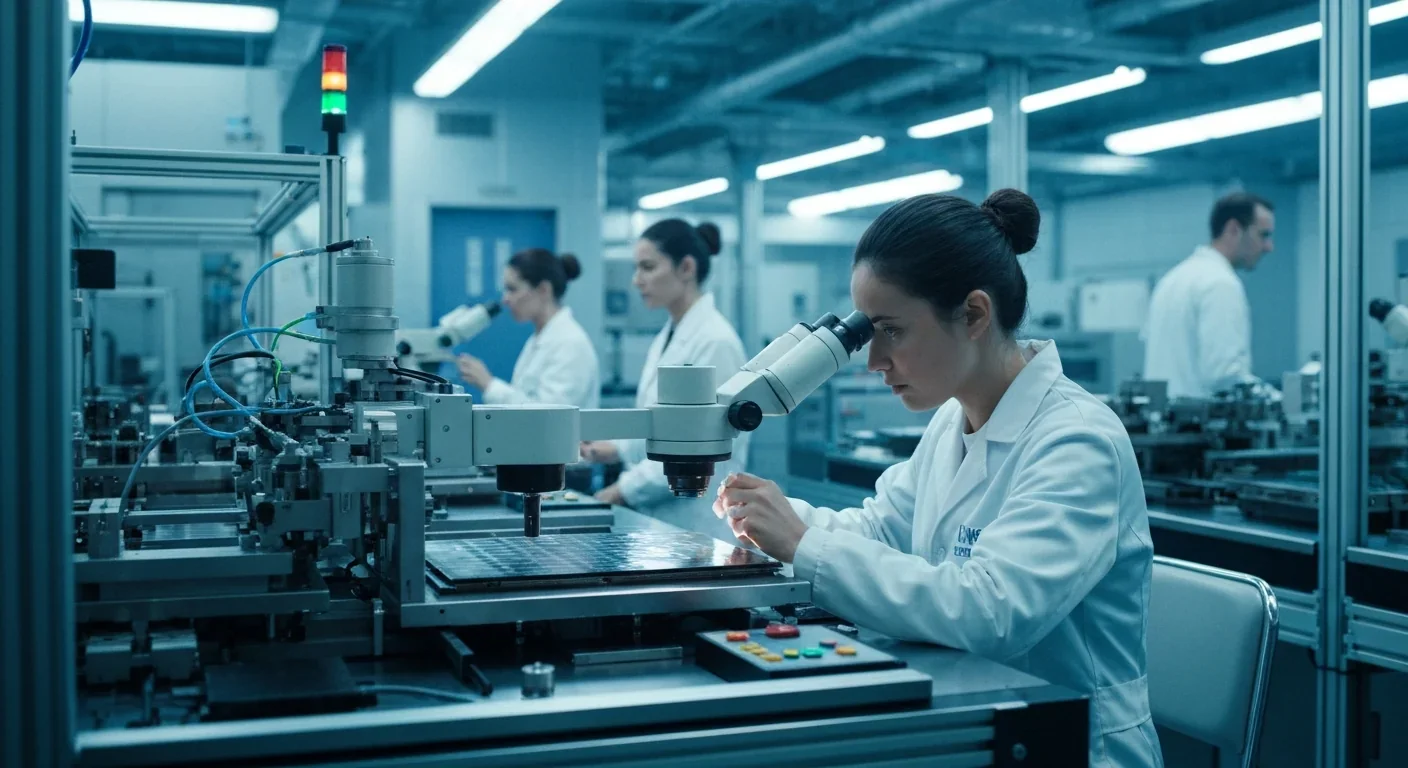
GAA Nanosheet Transistors: Biggest Chip Shift Since 2011
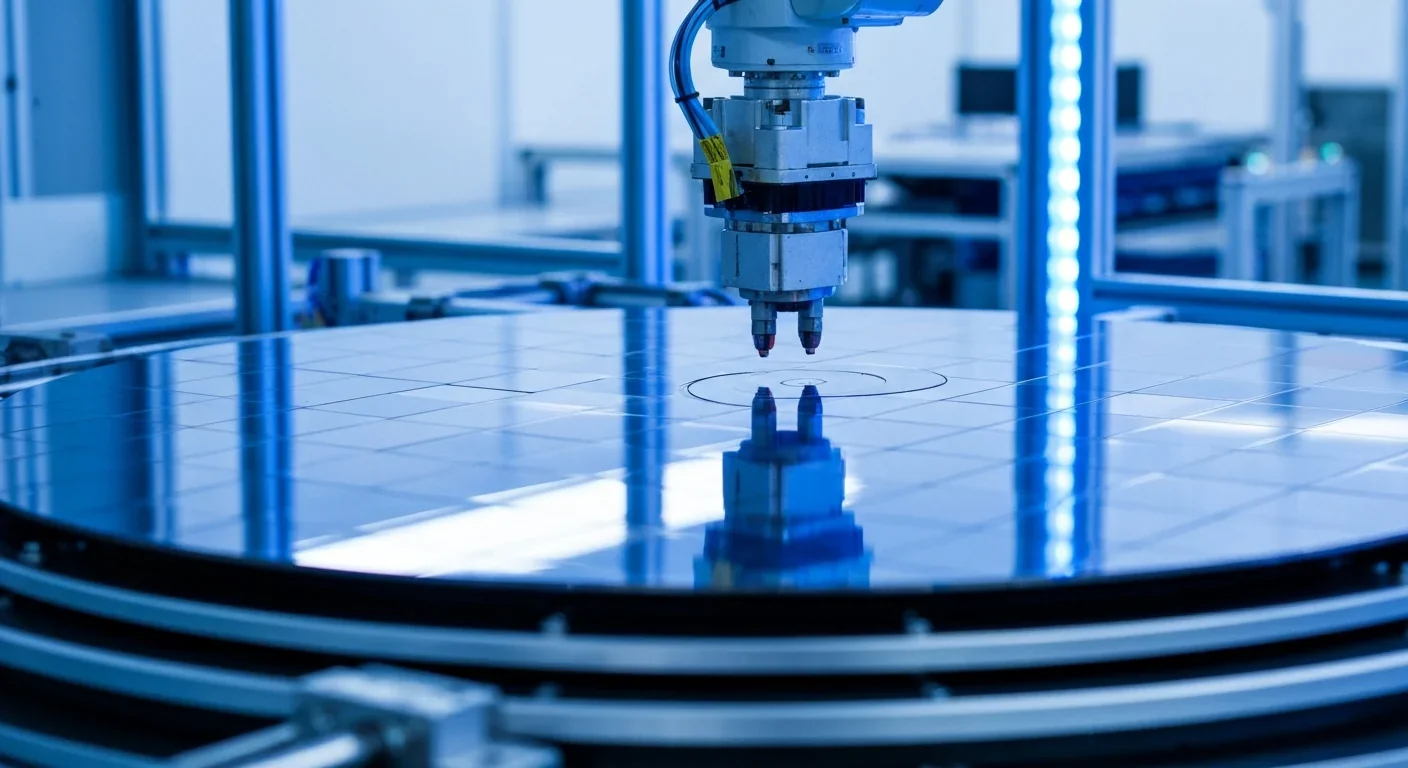
Wafer-on-Wafer Bonding Breaks AI's Bandwidth Wall
Why Quantum Computers Need 1,000 Qubits for One
TPM 2.0 and Pluton: Hardware Root of Trust Explained
TL;DR: Google TPUs deliver 2-5x speed and 4x cost advantages for neural network inference, making them ideal for startups running high-volume AI workloads. While less flexible than GPUs, specialized TPU architecture excels at transformer and CNN models in TensorFlow/JAX ecosystems.

In the next five years, machine learning infrastructure decisions will determine which startups scale into industry leaders and which burn through millions on mismatched hardware. Right now, a quiet shift is happening in labs from Stanford to Tokyo. Teams building the next generation of AI aren't reaching for Nvidia GPUs by default anymore. They're choosing Google's Tensor Processing Units, specialized chips most engineers have never touched. This isn't just about specs or benchmarks. It's about fundamentally rethinking how we match computational architecture to the actual mathematics of neural networks, and the teams making this switch early are gaining advantages that compound over time.
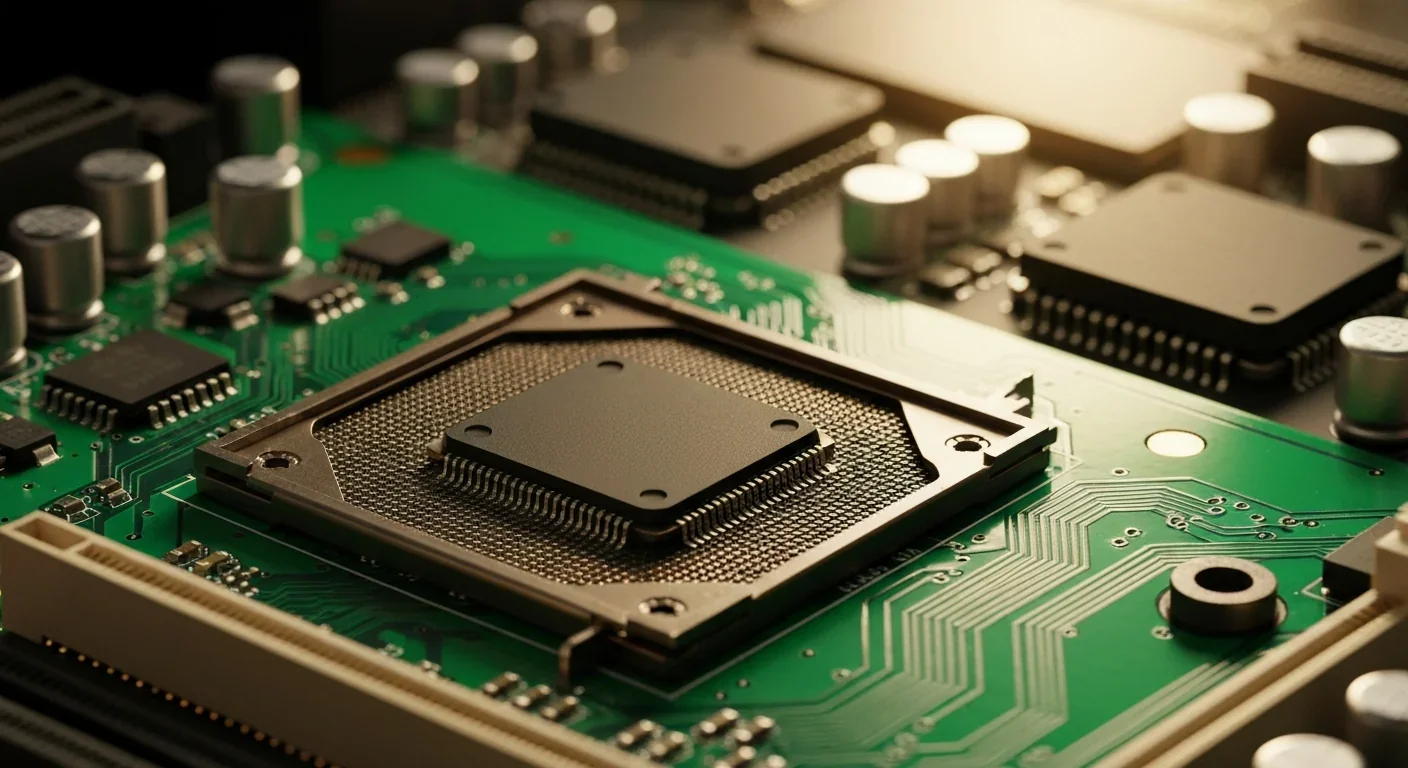
TPUs aren't modified GPUs. They're purpose-built Application-Specific Integrated Circuits designed from silicon up for one task: accelerating matrix multiplication and tensor operations. While GPUs evolved from graphics rendering and adapted to machine learning, TPUs were conceived inside Google specifically for neural network workloads.
The difference shows up in the architecture. At the heart of each TPU sits a Matrix Multiplication Unit, a massive array of multipliers and adders optimized for the exact operations that dominate deep learning. When your model performs a forward pass through billions of parameters, TPUs can deliver 2-5x speed advantages over equivalent GPUs, especially for large transformer models that have become the foundation of modern AI.
Performance per watt tells an even more compelling story. TPUs achieve superior energy efficiency by using reduced precision computing, specifically designed for the mathematical operations neural networks actually need. Your model doesn't require 64-bit floating point precision to learn. It turns out 16-bit or even 8-bit operations work fine for most deep learning tasks, and TPUs exploit this reality ruthlessly.
Google's latest generation, the TPUv7 Ironwood, pushes this further with dedicated inference optimization. Released in 2025, Ironwood delivers 4x better AI performance per dollar compared to GPU-based inference solutions. When you're serving millions of predictions per day, that cost differential becomes existential.
TPUs were designed from silicon up for one specific purpose: accelerating the matrix multiplications that dominate neural network computation. This specialization enables 2-5x speed improvements and 4x better cost efficiency for AI inference workloads.
The GPU's flexibility is both its strength and its Achilles heel. Graphics processors handle everything from video rendering to cryptocurrency mining to scientific simulations. This versatility comes at a cost: die space devoted to features machine learning workloads don't need, power consumed by unused transistors, complexity that adds latency.

TPUs make the opposite trade. By focusing exclusively on tensor operations, they eliminate everything that doesn't directly accelerate neural network computation. This specialization means TPUs excel at specific workloads while struggling with others.
Training large language models, computer vision networks, and recommendation systems plays directly to TPU strengths. These architectures spend most of their computational budget on matrix multiplications that TPUs handle exceptionally well. Lightricks, a startup building video diffusion models, trains at scale using JAX on TPU specifically because their workload maps perfectly to tensor operations.
But reinforcement learning environments with complex physics simulations? Custom operations that don't reduce to standard tensor math? Mixed workloads combining inference with data preprocessing? GPUs often win these scenarios because their general-purpose architecture can adapt to varied computational patterns.
Understanding this distinction separates teams that make smart infrastructure choices from those who adopt hardware because it's trendy.
Cost analysis gets interesting when you separate training from inference. Most discussions focus on training because that's where the eye-popping expenses appear. Training GPT-scale models costs millions in compute. Yet for production systems, inference costs often dominate over the system's lifetime.
Consider a typical ML startup trajectory. You spend $100,000 training your initial model. Expensive, certainly, but a one-time cost. Then you deploy it. Suddenly you're running millions of inferences daily. That $0.001 per inference adds up fast. Within six months, your inference costs have exceeded your training budget. Within a year, inference is costing 10x your original training investment.
This is where TPU economics shine. The TPUv6e achieves 4x better performance per dollar for inference workloads compared to GPU alternatives. For a startup serving 10 million daily inferences, this translates to hundreds of thousands in annual savings. Those savings compound, especially because inference demands scale with user growth while training is more episodic.
"Within six months of deployment, inference costs often exceed the entire training budget. Within a year, they can be 10x higher. This is where TPU economics become existential for startups."
- Industry Cost Analysis
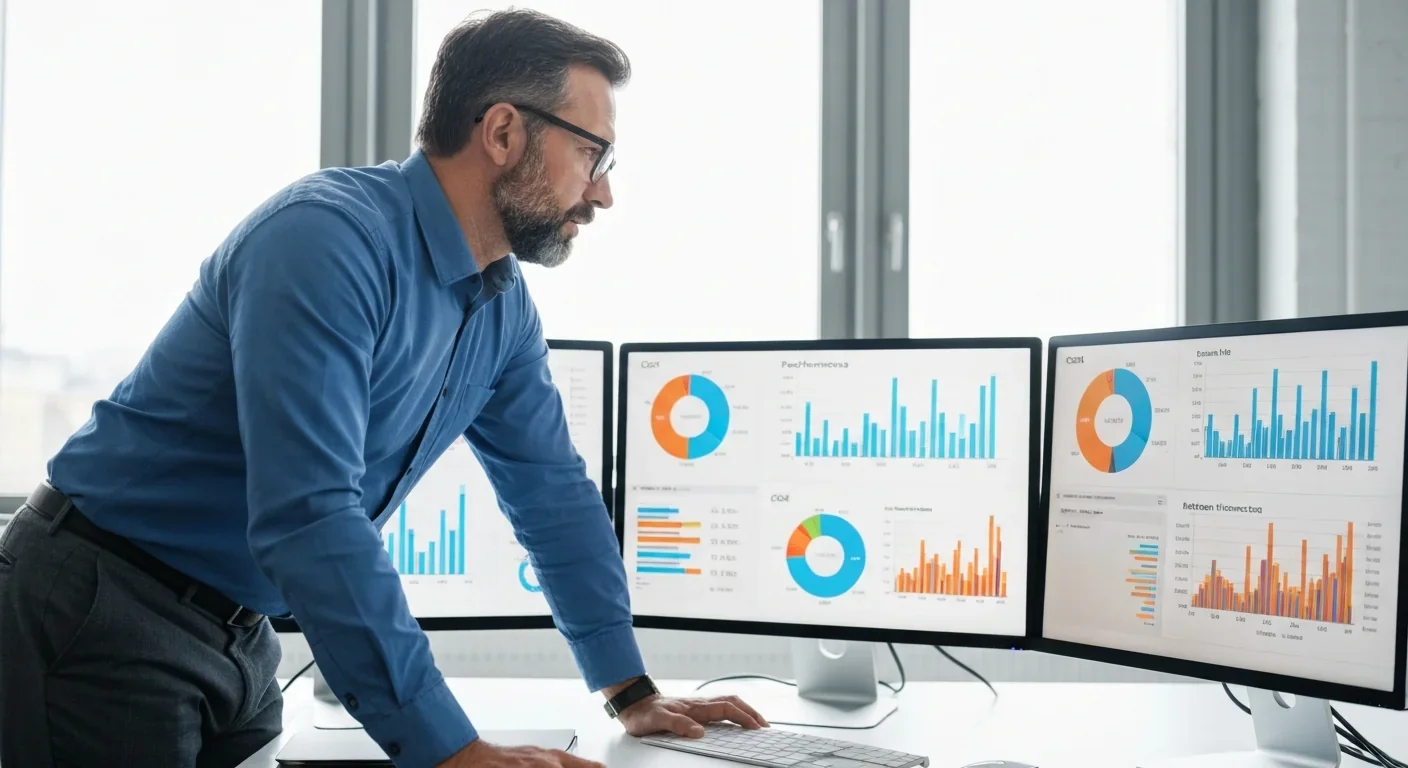
Google Cloud's pricing structure reinforces this advantage. A single TPUv5e costs $1.60 per hour for on-demand usage, with significant discounts for committed use. Equivalent GPU capacity often runs 3-4x higher. When you're a bootstrapped startup watching runway, that differential matters enormously.
The catch? You need to commit to Google Cloud's ecosystem. TPUs don't exist outside Google's infrastructure. You can't buy them for your own data center. You can't rent them from AWS or Azure. This lock-in makes some CTOs nervous, though the cost savings usually overcome that hesitation for inference-heavy workloads.
The barrier to entry isn't what you'd expect. Google offers free TPU access through two programs that have become crucial for early-stage ML teams.
Google Colab provides free TPU runtimes in their notebook environment. Any researcher or developer can spin up a Colab notebook, switch to a TPU runtime, and start experimenting. This has become the de facto onboarding path for teams exploring whether TPUs fit their workload. You can fine-tune language models, train computer vision networks, and prototype production pipelines without spending a dollar.
For more serious research, the TPU Research Cloud offers competitive access to larger TPU configurations. Academic institutions and promising startups apply for allocations that would cost tens of thousands on commercial cloud. This program has enabled countless papers and products that wouldn't exist otherwise, creating a community effect where TPU expertise and best practices spread through the research world.
The TensorFlow ecosystem advantage can't be overstated. TPUs were designed alongside TensorFlow, and the integration shows. Distributed training across TPU pods works with minimal configuration. Model parallelism, data parallelism, mixed precision training, all have first-class support. JAX has emerged as an equally powerful framework for TPU development, offering functional programming paradigms that make certain ML patterns much cleaner.
PyTorch support has historically been TPU's Achilles heel. While vLLM recently added unified TPU backend support for both PyTorch and JAX, the ecosystem still lags behind what Nvidia offers. If your team has invested heavily in PyTorch-specific tools and workflows, migration friction is real.
Abstract comparisons only tell part of the story. What happens when actual teams choose TPUs for production workloads reveals patterns worth studying.
OpenAI's decision to use TPU chips represents Google's most significant win against Nvidia. When the company behind ChatGPT chooses your silicon for certain workloads, that's a powerful endorsement. The decision came down to inference economics. OpenAI runs billions of inferences daily. Even small per-inference cost reductions translate to massive annual savings.
Lightricks, building video diffusion models, chose TPUs specifically for training scale. Video generation models are computationally brutal, requiring enormous matrix multiplications that map perfectly to TPU architecture. Their team found JAX on TPU provided better training throughput than GPU alternatives, even accounting for the learning curve of adopting new frameworks.

Smaller startups tell similar stories with different emphases. A recommendation engine startup serving e-commerce platforms found TPUs delivered 3x cost reduction for their inference workload. A computer vision company processing satellite imagery achieved faster iteration cycles using TPU training. A natural language processing team prototyping in Colab discovered their model worked well enough on free TPUs that they delayed GPU spending for months.
The pattern? Teams succeed with TPUs when their workload matches TPU strengths: large-scale training of standard architectures, high-volume inference of transformer or CNN models, and willingness to work within TensorFlow or JAX ecosystems.
Failures cluster around opposite scenarios. Teams needing custom CUDA kernels for novel architectures struggle. Reinforcement learning with complex simulation environments often performs better on GPUs. Small-batch inference where GPU flexibility matters more than raw throughput favors Nvidia hardware.
Understanding TPUs requires seeing them within the larger transformation happening in AI compute. For a decade, Nvidia GPUs were the only game in town. Their CUDA ecosystem, driver stability, and raw performance created a monoculture. Any serious ML team bought Nvidia or failed.
That monopoly is eroding, though Nvidia's dominance remains formidable. Amazon developed Trainium and Inferentia chips for AWS customers. Microsoft designed Maia for Azure AI workloads. Meta built custom silicon for their recommendation systems. Every major cloud provider now invests in custom AI accelerators to reduce dependence on Nvidia and capture margin from AI compute spending.
Google's advantage? A decade head start. They've been designing TPUs since 2015, iterating through seven generations. This experience shows in architectural refinements that newer entrants can't match. The infrastructure integration Google built around TPUs provides operational advantages beyond raw performance.
Every major cloud provider now builds custom AI chips. Amazon has Trainium, Microsoft has Maia, and Meta designs custom silicon. The Nvidia monoculture is ending, replaced by specialized hardware optimized for specific workloads.
Still, the criticism has merit that choosing TPUs over GPUs involves trade-offs similar to choosing specialized tools over general-purpose ones. You gain performance and efficiency for your specific workload but lose flexibility and ecosystem breadth. It's less like choosing between equally capable alternatives and more like deciding whether specialization serves your particular needs.
While cloud TPUs grab headlines, Google's Coral Edge TPU represents a different strategic direction: bringing neural network inference to edge devices with minimal power consumption.
Edge AI solves problems cloud inference can't. Privacy-sensitive applications need on-device processing. Latency-critical systems can't afford round-trip network delays. Environments with limited connectivity require local intelligence. The Coral TPU addresses these needs with a chip delivering 4 trillion operations per second while drawing only 2 watts.
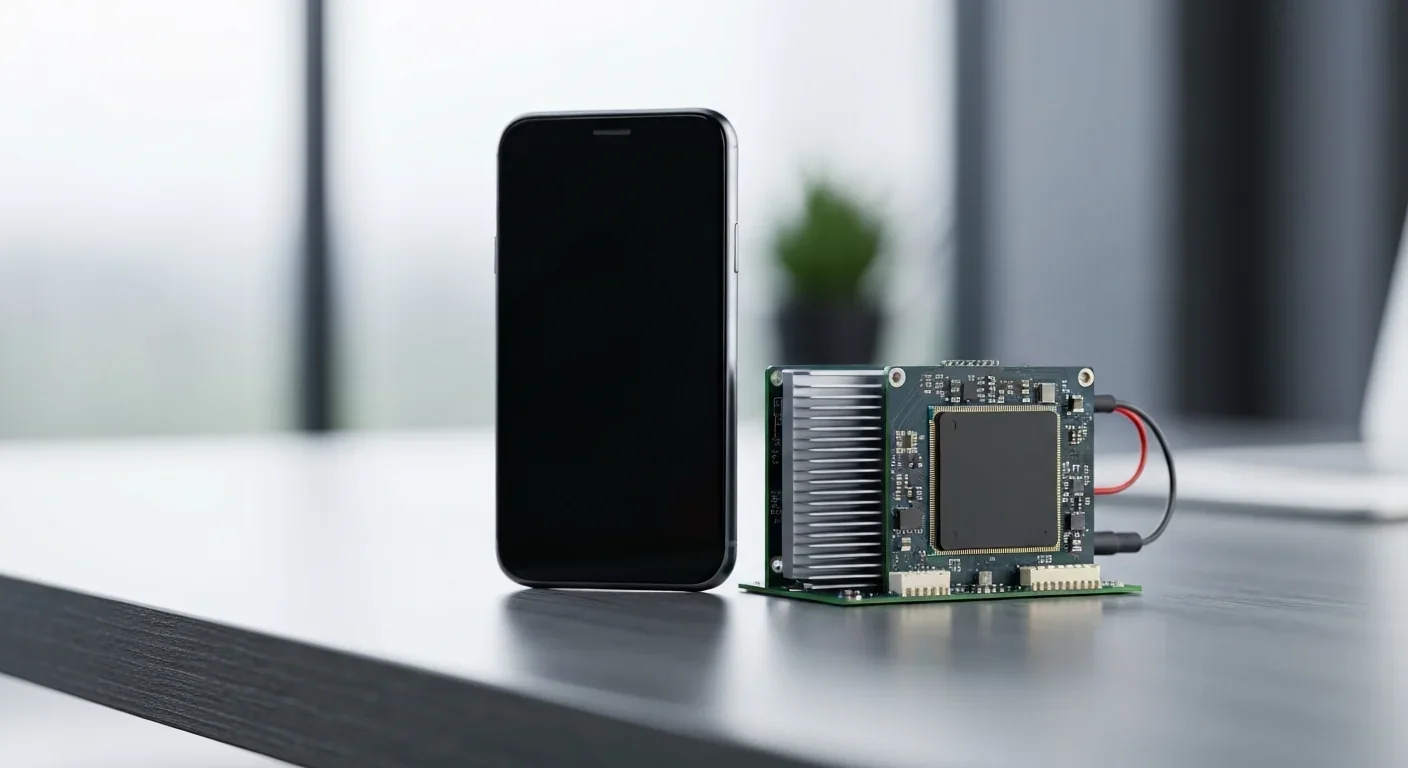
Industrial IoT deployments show Coral's practical impact. Distributed sensor networks performing object detection can run sophisticated models locally instead of streaming video to cloud services. Manufacturing quality control systems achieve real-time inspection without network dependencies. Robotics applications gain responsive perception without cloud latency.
The edge hardware landscape is crowded with competing approaches from Nvidia Jetson to Intel Neural Compute Stick to numerous specialized AI accelerators. Coral's advantage lies in price-performance for inference-only scenarios. If you're deploying thousands of edge devices running fixed models, Coral's economics become compelling.
Training still happens in the cloud. You develop and train models on cloud TPUs or GPUs, then deploy optimized versions to Coral devices. This hybrid approach has become standard for production edge AI systems.
Intellectual honesty requires acknowledging when TPUs don't make sense. The wrong hardware choice costs time, money, and team morale.
If your team lives in PyTorch and relies on a deep stack of PyTorch-specific tools, TPU migration friction is substantial. While possible, the effort rarely justifies benefits unless inference cost savings are dramatic. You'll spend months rebuilding workflows that already work.
Small-scale experimentation often favors GPUs. When you're trying ten different architectural ideas weekly, GPU flexibility helps. TPU optimization makes sense once you've converged on an architecture and need to scale it.
"The wrong hardware choice doesn't just cost money. It costs time and team morale. Understanding when TPUs don't fit your workload is as important as knowing when they excel."
- ML Infrastructure Best Practices
Reinforcement learning remains GPU territory for most applications. The complex simulation environments, varied computational patterns, and custom operations don't map cleanly to TPU strengths. Unless your RL problem reduces to standard neural network operations, assume you'll need GPUs.
Multi-cloud strategies introduce complications. TPUs exist only in Google Cloud. If your architecture spans AWS, Azure, and GCP for redundancy or vendor diversification, TPUs create asymmetry. Some teams accept this, running inference on TPUs while maintaining GPU training on other clouds, but the operational complexity is real.
Cutting-edge research exploring novel architectures usually starts on GPUs. The CUDA ecosystem's maturity means new ideas can be prototyped faster. Once an architecture proves itself and standardizes, porting to TPUs makes sense, but the exploration phase favors GPU flexibility.
The choice between TPUs and GPUs isn't binary, and the best teams treat it as a portfolio decision rather than an exclusive commitment.
Start with clear workload characterization. What operations dominate your compute? Are you training or inferencing? How much does framework flexibility matter? What's your time-to-production versus cost-at-scale trade-off? These questions have definite answers if you profile your actual workload instead of guessing.
Consider a staged approach. Prototype on free Colab TPUs to understand if your architecture maps well to TPU strengths. If results look promising, run cost comparisons at scale. Only after validating both performance and economics should you commit to production TPU deployment.
Framework choices matter enormously. If you're starting a new project, choosing TensorFlow or JAX from the beginning keeps TPU options open. If you have years of PyTorch investment, recognize that TPU migration will be expensive. Make that choice consciously, not by accident.
Think about inference economics separately from training. Many teams train on GPUs and infer on TPUs, getting GPU flexibility where it matters while capturing TPU cost efficiency where it compounds. This hybrid approach often optimizes better than choosing one hardware type exclusively.
Plan for the ecosystem you're buying into. TPUs tie you to Google Cloud and specific frameworks. If that alignment works for your broader cloud strategy, great. If it creates conflicts with existing commitments or multi-cloud requirements, factor that friction into your decision.
The trend toward specialization isn't reversing. As AI workloads grow, the performance and efficiency gains from purpose-built hardware become too large to ignore.
Google's decade-long bet on custom chips is paying off as AI infrastructure costs balloon across the industry. Every major tech company now views custom silicon as strategic. The question isn't whether specialized AI accelerators will proliferate but which ones will capture which workloads.
For startups and researchers, this creates both opportunity and complexity. Opportunity because cloud providers compete on price and performance, driving down costs for AI compute. Complexity because choosing the right hardware for your workload requires real understanding rather than just following conventional wisdom.
TPUs represent one path through this complexity: radical specialization for specific workloads, ecosystem integration for ease of use, and aggressive pricing to capture market share. Whether this path suits your needs depends on matching your computational patterns to their architectural strengths.
The teams succeeding with TPUs share a pattern. They profile their workloads rigorously, experiment with alternatives systematically, and choose infrastructure based on measured results rather than industry trends. They recognize that the "best" hardware depends entirely on what you're trying to accomplish.
Infrastructure choices compound over time. The hardware you choose today influences framework selection, team expertise development, operational tooling, and cost structure years into the future. Getting it right early creates tailwinds. Getting it wrong creates drag that persists.
TPUs have earned their place in the AI hardware landscape by solving specific problems exceptionally well. For teams training large-scale neural networks in TensorFlow or JAX, for startups running high-volume inference workloads, for researchers who need accessible compute without upfront capital, TPUs deliver measurable advantages.
But they're not universally superior. GPU flexibility, ecosystem maturity, and architectural generality still matter for many workloads. The question isn't whether TPUs are "better" than GPUs in some abstract sense. It's whether their specific strengths align with your specific needs.
The silent shift happening in ML labs worldwide isn't abandoning GPUs wholesale. It's developing nuanced understanding of when specialized hardware delivers advantages worth pursuing. It's recognizing that the optimal infrastructure choice depends on computational patterns, not industry hype.
As AI compute costs rise and workloads diversify, this kind of thoughtful hardware selection separates efficient operations from wasteful ones. The teams betting on TPUs aren't following trends. They've done the math, measured their workloads, and found a genuine fit. That's the only reason to choose any infrastructure.
Whether TPUs make sense for your next project depends on questions only you can answer: What operations dominate your compute? How much does framework flexibility matter? What's your inference-to-training ratio? Where do your cost sensitivities lie?
Answer those honestly, and the choice becomes clearer. Sometimes it's TPUs. Sometimes it's GPUs. Often it's both, used strategically for different parts of your pipeline. What matters is matching your computational reality to hardware strengths, not picking based on what worked for someone else's completely different workload.
The future of AI infrastructure is specialization. TPUs prove that purpose-built hardware can challenge general-purpose dominance when the fit is right. Whether they're right for you requires understanding both their capabilities and your needs with equal precision.
Project Orion was a real 1960s program to reach other stars by detonating 800 nuclear bombs behind a spacecraft. The physics worked and the engineering was feasible, but the 1963 nuclear test ban treaty killed it. It remains the most credible interstellar spacecraft ever designed.

The locus coeruleus, a tiny brainstem structure, degenerates decades before Alzheimer's symptoms appear. Its loss cripples the brain's inflammation control, waste clearance, and sleep regulation. New imaging tools and noradrenergic therapies offer hope for early detection and prevention.
Research shows the sharing economy often increases total resource consumption through the Jevons paradox and rebound effects. Ride-sharing adds billions of vehicle miles, co-working spaces use more energy per worker, and diffused responsibility erodes conservation behavior. Breaking the paradox requires congestion pricing, accountability design, and matching sharing models to appropriate resource types.

Psychological reactance theory explains why banning or restricting things makes people want them more. From Prohibition to the Streisand effect to scarcity marketing, research shows that threatening people's freedom reliably backfires, and autonomy-supportive communication is far more effective.

A carnivorous pitcher plant in Borneo evolved to house bats instead of trapping insects, gaining up to 95% of its nitrogen from bat guano. The plant even built an ultrasonic reflector to help bats find it, revealing that carnivory in plants is a flexible spectrum.

The quantified self movement began as a hacker-ethos pursuit of personal insight, but corporate wearables now funnel biometric data to employers, insurers, and data brokers. With 81% of Americans wrongly believing health apps are HIPAA-protected, a regulatory void enables health data to be sold for pennies while generating anxiety instead of empowerment.
CXL memory pooling lets servers dynamically share DRAM over a cache-coherent interconnect, eliminating the 40% stranded memory waste in data centers. With commercial hardware now shipping and Azure deploying CXL cloud instances, this technology promises to cut memory costs by 50% while enabling composable infrastructure.

Loading featured articles...