CXL Memory Pooling Ends the Era of Wasted Server RAM
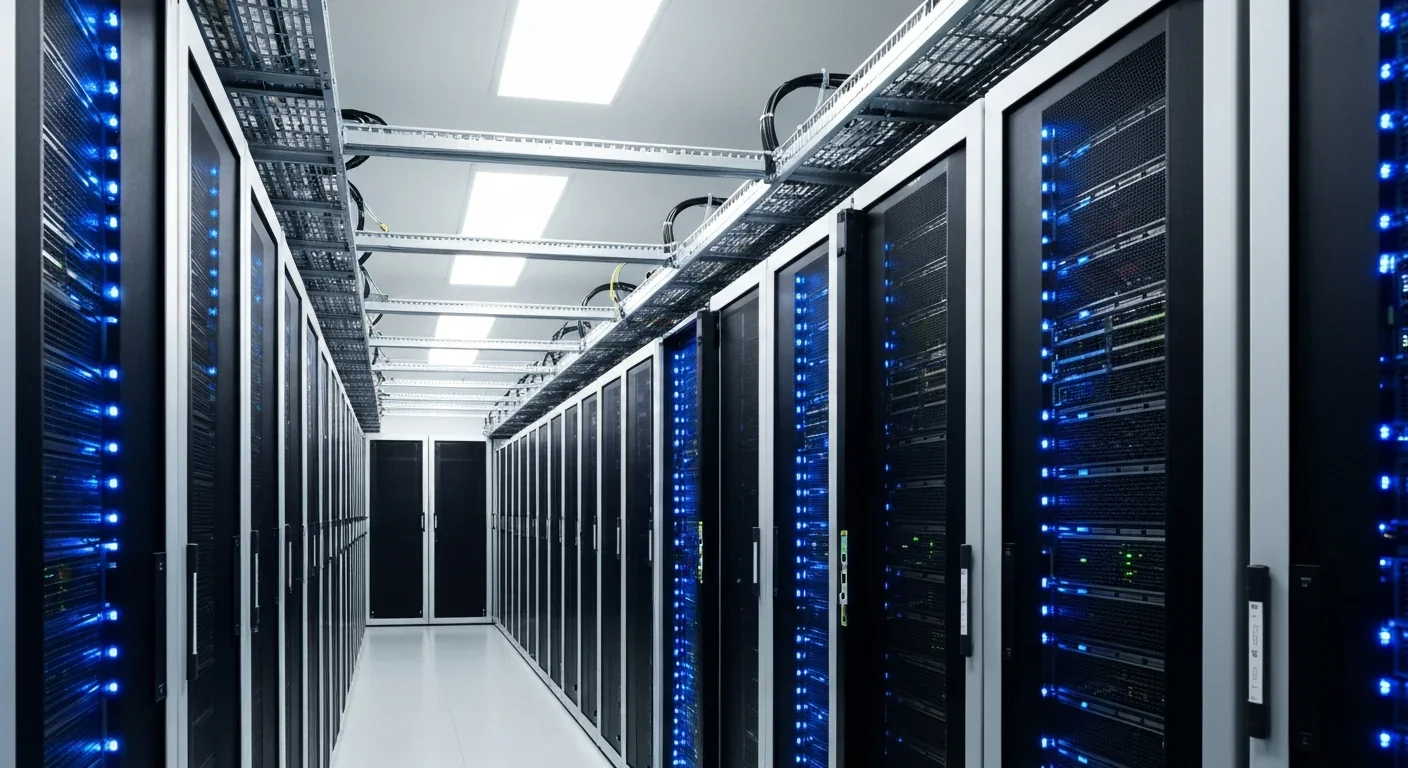
CXL Memory Pooling Ends the Era of Wasted Server RAM
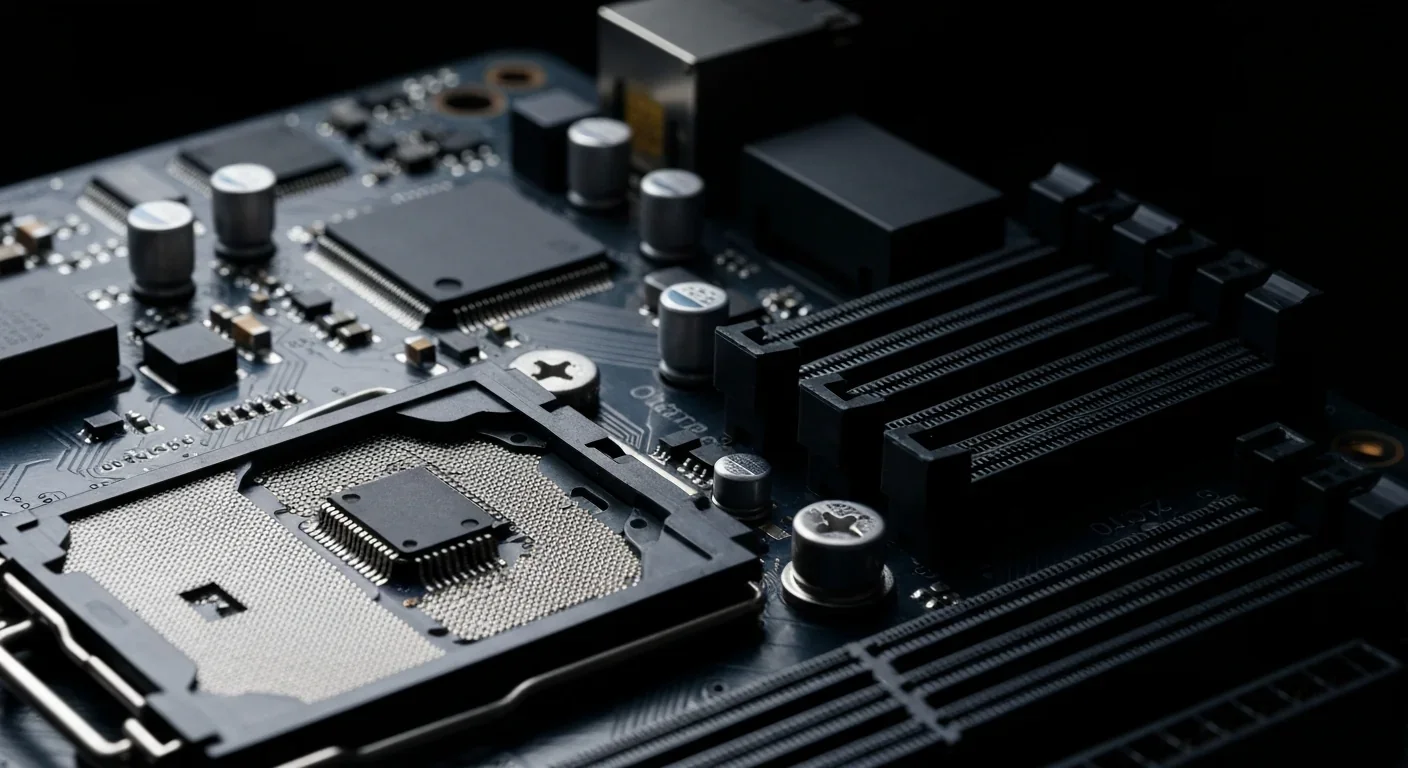
TPM 2.0 Explained: The Security Chip Protecting Your PC

GAA Nanosheet Transistors: Biggest Chip Shift Since 2011
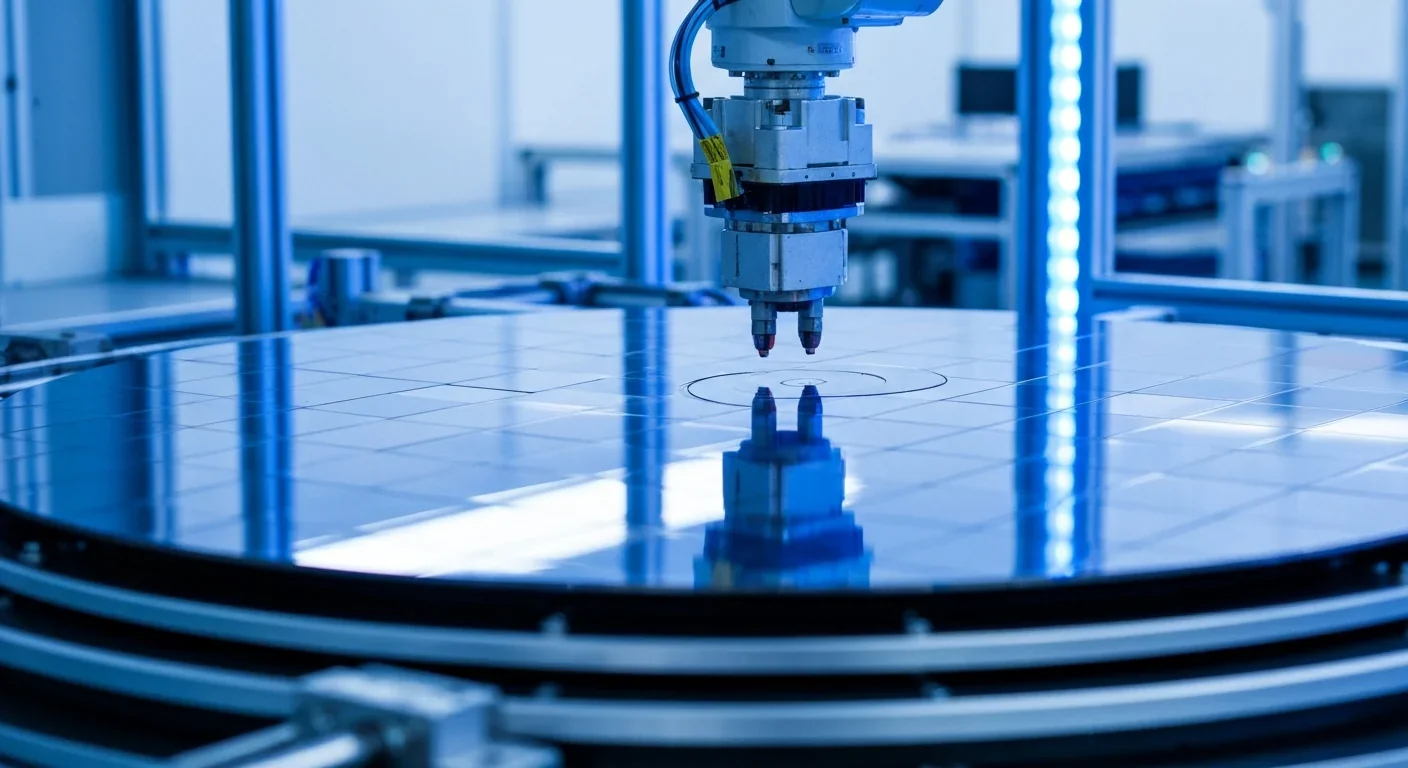
Wafer-on-Wafer Bonding Breaks AI's Bandwidth Wall
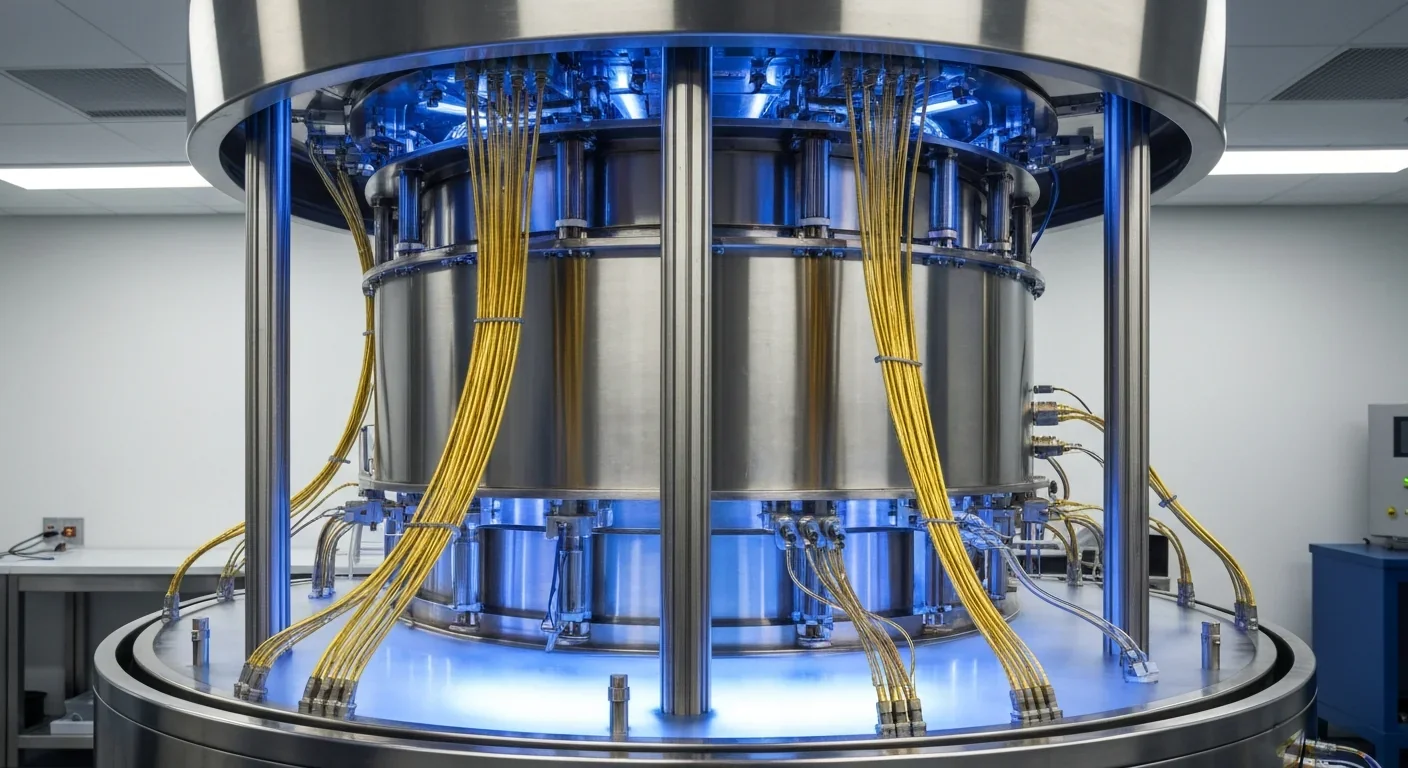
Why Quantum Computers Need 1,000 Qubits for One
TPM 2.0 and Pluton: Hardware Root of Trust Explained
TL;DR: DPUs evolved from limited SmartNICs into full System-on-Chip processors that handle networking, security, and storage infrastructure, becoming the third pillar of data center computing alongside CPUs and GPUs, with major vendors NVIDIA, Intel, and AMD delivering 20-30% efficiency gains.
The year 2017 marked a quiet revolution in cloud computing when AWS deployed Nitro cards across every EC2 instance in its fleet. Most customers didn't notice the change, and that was exactly the point. Behind the scenes, a new class of processor had begun its takeover of data center architecture - not by replacing existing hardware, but by fundamentally reimagining how computing resources work together.
These processors, now called Data Processing Units or DPUs, have transformed from modest networking accelerators into full-fledged computing platforms that sit alongside CPUs and GPUs as the third pillar of modern infrastructure. The shift represents more than just incremental improvement. It's a response to an architectural crisis that was threatening to undermine the economics of cloud computing itself.
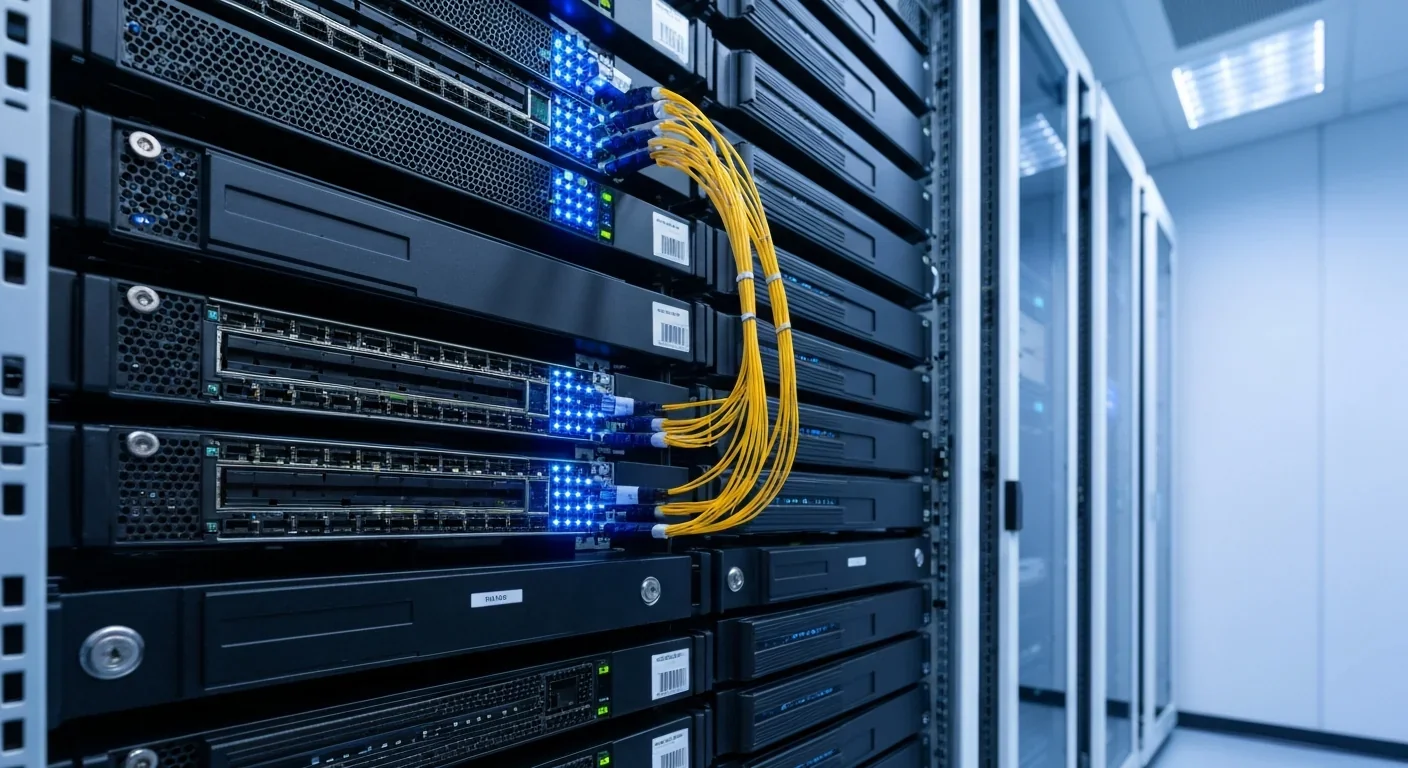
For years, SmartNICs seemed like the perfect solution to offloading networking tasks from busy server CPUs. These specialized network interface cards could handle packet processing, encryption, and basic protocol acceleration without bothering the main processor. But as data centers evolved, SmartNICs started showing their age in ways that couldn't be patched with firmware updates.
The problem wasn't what SmartNICs could do - it was what they couldn't. Traditional SmartNICs were built around fixed-function hardware accelerators and simple embedded processors. They excelled at specific, narrowly-defined tasks: TCP offload, RDMA, maybe some basic firewall functions. But the explosion of east-west traffic between servers, the complexity of modern security requirements, and the demands of infrastructure virtualization required something more flexible.
SmartNICs couldn't run full operating systems. They couldn't host complex software stacks. They couldn't adapt to new workloads without hardware redesigns. Most critically, they couldn't handle the sophisticated orchestration required by modern cloud environments, where every tenant needs isolated networking, storage, and security policies enforced at wire speed.
The technical debt was mounting. Hypervisors were consuming 20-30% of server CPU capacity just managing virtualization overhead, while network security and storage protocols demanded processing that traditional NICs couldn't deliver.
The technical debt was mounting. Hypervisors were consuming 20-30% of server CPU capacity just managing virtualization overhead. Network security policies required complex software processing that traditional NICs couldn't handle. Storage protocols like NVMe-over-Fabrics needed intelligent processing at every hop. Something had to give, and that something turned out to be the fundamental architecture of the network interface itself.
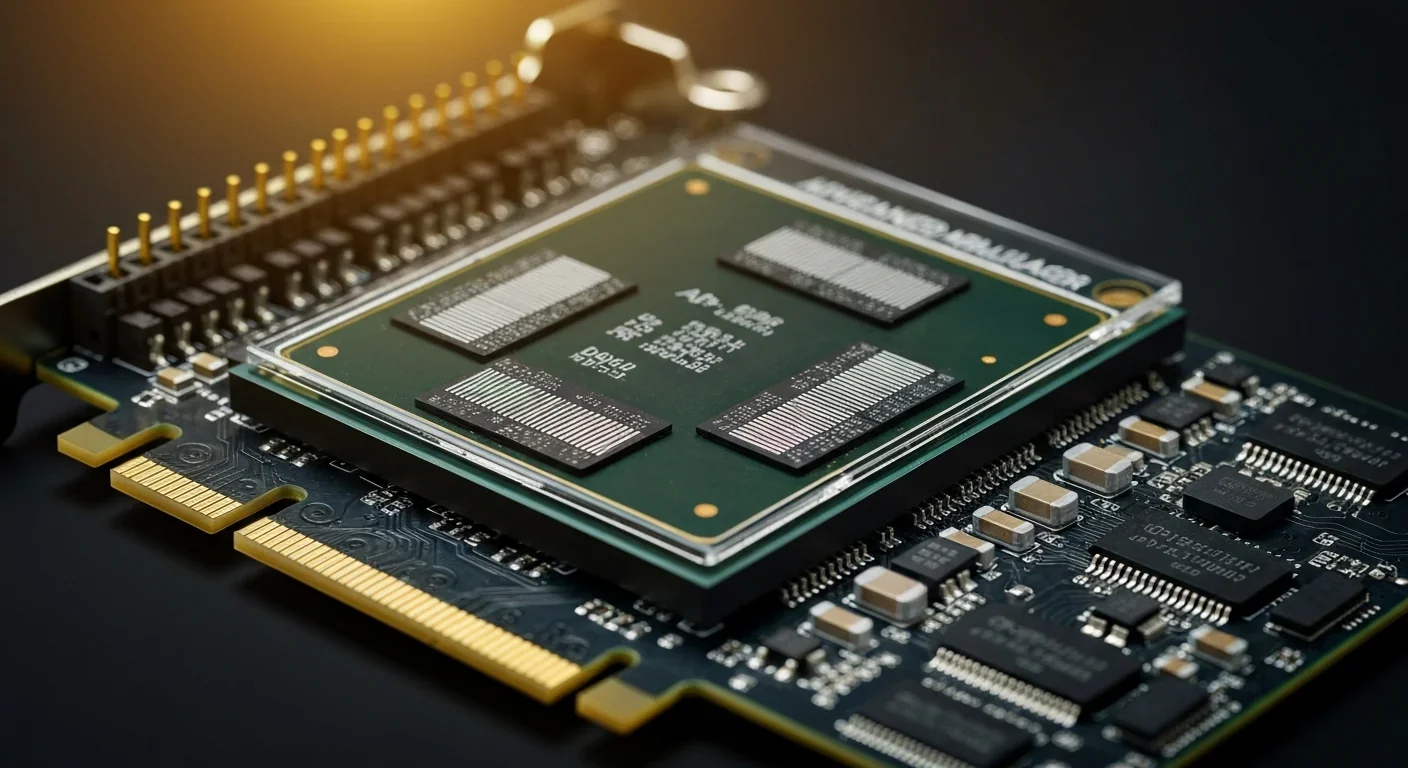
DPUs emerged from the recognition that data centers needed a programmable computer dedicated to infrastructure tasks - not just an accelerator, but a full System-on-Chip capable of running sophisticated software while maintaining line-rate performance. The transformation happened quickly once the vision crystallized, driven by acquisitions that consolidated networking expertise with processor design talent.
What makes a DPU distinct isn't any single feature but the combination of capabilities that SmartNICs could never match. Modern DPUs pack 8-16 ARM cores running at multi-GHz speeds, 16-32 GB of DDR memory, hardware accelerators for compression and encryption, and 100-400 Gbps network interfaces - all on a single PCIe card that plugs into standard server slots.
But the real revolution is programmability. DPUs run full Linux distributions. They host containers and virtual machines. They can execute complex security policies, run database query processing, and manage distributed storage protocols - all while the main CPU focuses on application workloads. It's as if every server gained a second computer whose entire job is handling infrastructure.
"DPUs provide a set of hardware resources curated to optimize data-path efficiency, including CPU cores, memory, accelerators, high-speed network interfaces, and PCIe access."
- dpBento Research Paper, arXiv
The architectural implications ripple through the entire data center stack. By offloading networking, storage, and security to dedicated processors, DPUs free up to 30% of CPU capacity for revenue-generating workloads. They enable zero-trust security models where every packet is inspected without performance penalties. They make disaggregated storage economically viable by handling protocol overhead in hardware.
The DPU landscape has consolidated around three major players, each taking a distinct approach that reflects their broader strategic goals. NVIDIA's BlueField series dominates mindshare and deployment, particularly in AI-focused infrastructure. Intel's Infrastructure Processing Units (IPUs) target enterprise workloads with an emphasis on compatibility and manageability. AMD's Pensando platform, acquired in 2022, brings cloud-proven technology to traditional data centers.

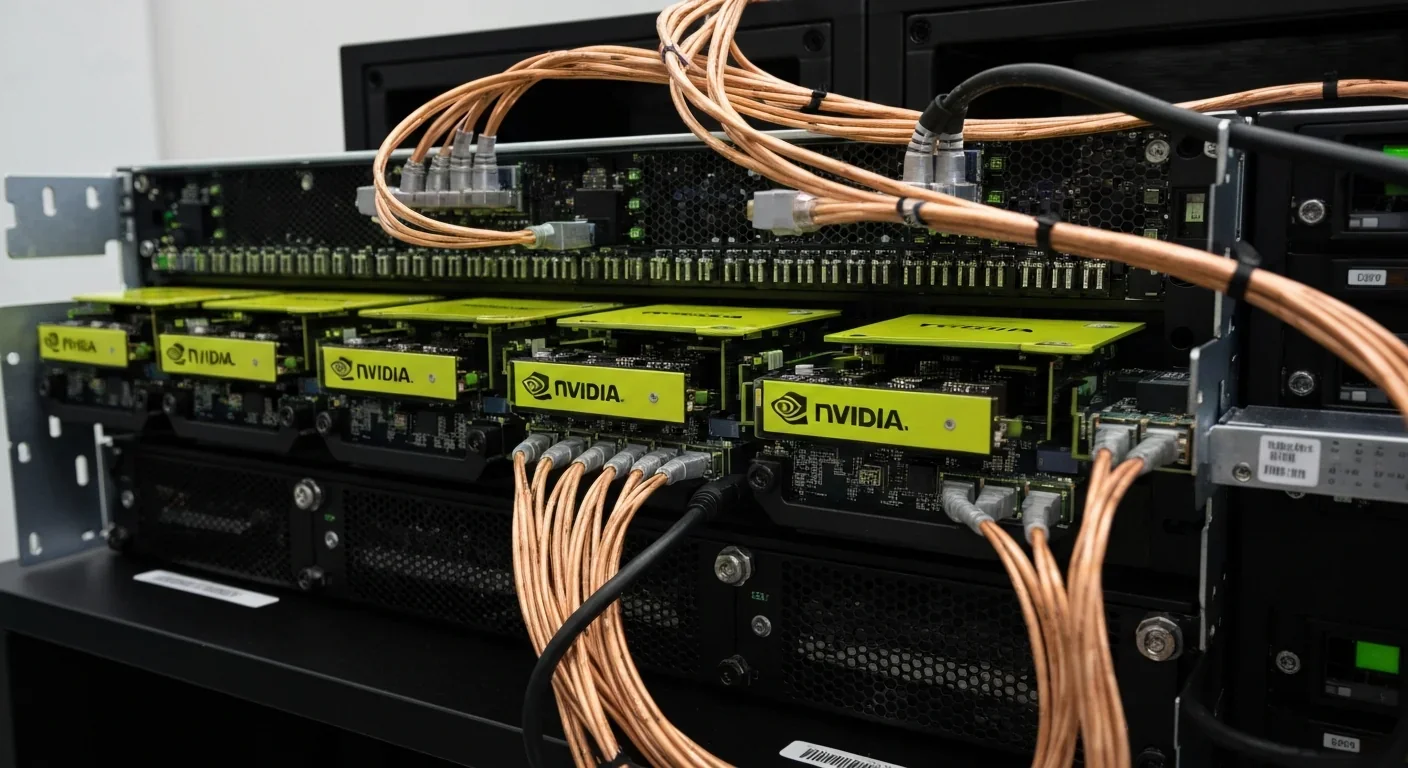
NVIDIA BlueField represents the most aggressive vision for DPU capabilities. The latest BlueField-4 announced in 2025 delivers 400 Gbps networking with 16 ARM cores and hardware acceleration for everything from cryptography to regular expression matching. NVIDIA positions BlueField as the "operating system of AI factories," handling all the infrastructure orchestration that AI training workloads demand. The strategy has paid off - BlueField powers some of the world's largest AI supercomputers.
Intel's IPU takes a different tack, emphasizing seamless integration with existing enterprise infrastructure. The E2200 "Mount Morgan" IPU features Intel's own CPU cores rather than ARM, making it easier to port x86 software. Intel markets the IPU as an "infrastructure offload" solution rather than a transformative architecture shift, which resonates with conservative enterprise IT teams. The E2200 has found particular success in telecommunications and edge computing deployments where compatibility matters more than raw performance.
AMD Pensando brings battle-tested cloud credentials to the fight. Originally developed for and deployed in Microsoft Azure and other hyperscale clouds, Pensando's architecture emphasizes programmability and observability. The platform runs a full P4-programmable datapath alongside ARM cores, giving network engineers unprecedented control over packet processing. AMD's acquisition gave them instant credibility in a market they had essentially missed, and they're leveraging Pensando to differentiate their EPYC server platform.
The vendor dynamics create interesting choices for buyers. NVIDIA offers the most powerful and feature-rich solution but at a premium price and with some vendor lock-in concerns. Intel provides the smoothest migration path for enterprises but potentially leaves performance on the table. AMD/Pensando hits a sweet spot of cloud-proven reliability with open-source-friendly tooling, though it lacks the market momentum of NVIDIA or the ecosystem of Intel.
The business case for DPUs rests on three pillars: compute reclamation, security enhancement, and architectural flexibility. Together, these deliver ROI that most organizations can justify within 18-24 months of deployment, even accounting for the $5,000-15,000 per-card cost and the operational complexity of managing additional infrastructure.
Compute reclamation delivers the most immediate and measurable benefits. Benchmarks consistently show that offloading virtualization and networking to DPUs recovers 20-30% of CPU capacity that would otherwise be consumed by infrastructure overhead. For a cloud provider operating at scale, that translates directly to revenue - those reclaimed CPU cycles can be sold as additional compute capacity without buying more servers. At enterprise scale, it means squeezing more life out of existing hardware, deferring costly refresh cycles.
Security represents the second major driver, particularly for organizations pursuing zero-trust architectures where traditional network perimeters no longer exist. DPUs can enforce microsegmentation at line rate, inspecting every packet between every workload without the performance penalties that would make such policies impractical using CPU-based firewalls. They enable cryptographic attestation of workload identity, ensuring that even compromised operating systems can't spoof network communications. For financial services, healthcare, and government agencies facing strict compliance requirements, these capabilities justify DPU deployment regardless of compute efficiency gains.
The third pillar - architectural flexibility - takes longer to pay off but may ultimately prove most significant. DPUs enable disaggregated infrastructure designs where compute, storage, and networking are independently scalable resources rather than fixed server configurations. Microsoft Azure is betting heavily on this vision, using DPUs to build composable infrastructure that can be reconfigured in seconds rather than months. For organizations planning multi-year infrastructure evolution, DPUs provide a bridge to these next-generation architectures without requiring forklift upgrades.
Real-world deployments validate the business case: AWS achieves bare-metal VM performance with Nitro, telecom operators handle millions of edge sessions, and database workloads see up to 2x query performance improvements with DPU acceleration.
Real-world deployments validate the business case across different scenarios. AWS has used Nitro to deliver bare-metal performance in virtual machines, a seemingly impossible feat that traditional virtualization can't match. Telecommunications companies deploy DPUs to handle subscriber management at the network edge, processing millions of sessions while maintaining carrier-grade reliability. Database operators use DPUs to offload predicate pushdown and index scanning, with benchmarks showing up to 2x performance improvements for specific query patterns.
The counterargument against DPUs typically centers on complexity and cost. Adding another processor type increases operational burden - separate firmware to manage, different monitoring tools, specialized expertise required. Early adopters reported integration challenges, particularly around software ecosystems that weren't designed for distributed processing across CPU and DPU. Some workloads see minimal benefit, particularly those with limited networking or storage I/O requirements. For smaller deployments, the per-unit cost can be prohibitive.
But the trend lines favor increasing DPU adoption. As software stacks mature and standardize on common APIs, the operational complexity decreases. Performance improves with each generation - BlueField-4 delivers roughly double the capabilities of BlueField-3, which arrived just two years earlier. Most importantly, the underlying drivers that created DPUs continue accelerating. Data centers handle exponentially more east-west traffic. Security threats demand ever-more-sophisticated defenses. Application workloads consume CPU cycles voraciously.
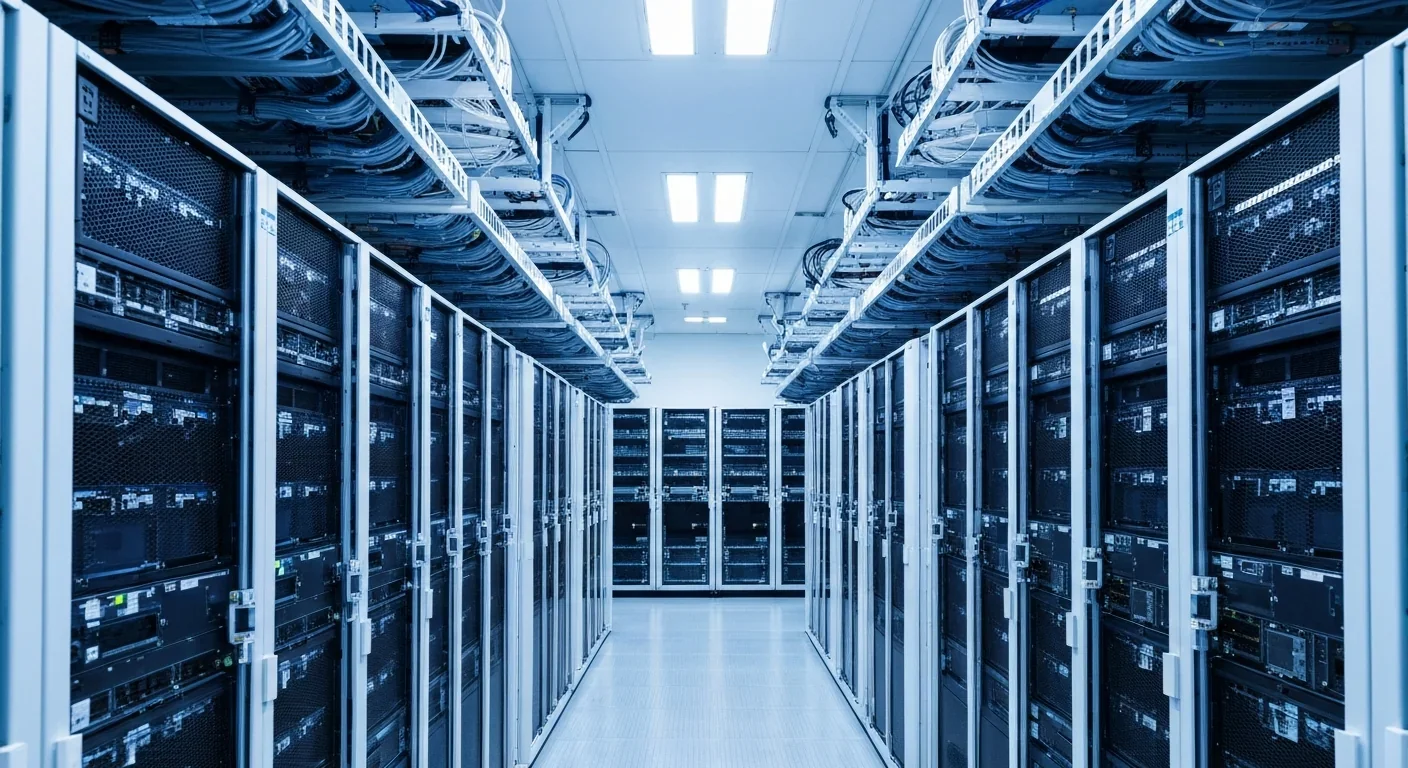
Perhaps the most profound impact of DPUs lies in how they're reshaping the economics of running data centers at scale. For decades, infrastructure optimization meant buying faster CPUs, more RAM, or quicker storage. The assumption was that general-purpose processors would handle all workloads, with economies of scale driving down costs over time.
DPUs challenge that model by demonstrating that specialized processors can deliver order-of-magnitude improvements for specific workloads. A CPU optimized for application logic shouldn't waste transistors on packet processing. A GPU designed for parallel computation shouldn't be interrupted by network I/O. By assigning each processor type to its natural workload, total system efficiency increases dramatically.
This specialization trend mirrors earlier architectural shifts. GPUs emerged when it became clear that graphics workloads needed fundamentally different hardware than CPUs provided. DPUs represent the same recognition for infrastructure workloads. Looking forward, we're likely to see further specialization - some industry observers predict dedicated processors for AI inference, video transcoding, or database operations.
"The Nitro System is a combination of dedicated hardware and lightweight hypervisor enabling faster innovation and enhanced security."
- AWS Nitro System Documentation
The implications for data center design are substantial. Traditional servers featured a single CPU socket with attached peripherals. Modern designs increasingly look like miniature data centers in a box, with multiple specialized processors communicating over high-speed fabrics. This compositional approach enables much finer-grained scaling and more efficient resource utilization, but requires sophisticated orchestration software to manage.
Power efficiency becomes a critical consideration as data center energy consumption approaches the limits of available electricity in some regions. DPUs help by offloading work to more efficient processors - ARM cores in a DPU consume far less power than x86 cores doing equivalent packet processing. Some deployments report overall power reductions of 20-30% when accounting for both reclaimed CPU capacity and the intrinsic efficiency of specialized hardware. As sustainability goals intersect with infrastructure decisions, this advantage grows more compelling.
The vendor ecosystem is evolving to support this new architecture. Software companies are releasing DPU-native versions of their products. Open-source projects like DPDK and SPDK provide standardized APIs for DPU programming. Cloud providers offer DPU-accelerated instance types. The feedback loop between hardware capabilities and software optimization is accelerating, suggesting we're still in the early stages of realizing DPU potential.
The explosive growth of AI training and inference is stress-testing data center architectures in ways that make DPU benefits impossible to ignore. Large language models and diffusion models communicate constantly across hundreds or thousands of GPUs, generating network traffic patterns that would overwhelm traditional infrastructure. DPUs have become essential plumbing for AI factories.
NVIDIA's positioning of BlueField-4 as the operating system of AI infrastructure isn't marketing hyperbole - it reflects operational reality. AI training clusters need sophisticated network scheduling to avoid stragglers, where a single slow communication can delay an entire training step. They require end-to-end encryption without compromising the microsecond latencies that training efficiency demands. They must isolate tenants sharing expensive GPU resources while maintaining full utilization. DPUs handle all of this while the GPUs focus solely on matrix multiplication.
Inference workloads present different but equally compelling DPU use cases. Serving AI models at scale requires distributing requests across many accelerators, batching queries dynamically, and load-balancing based on model size and complexity. DPUs can make these orchestration decisions in nanoseconds, routing traffic intelligently without involving the CPU or GPU. Early deployments show that DPU-managed inference can improve GPU utilization by 40-50%, directly impacting the economics of AI services.
But AI's influence extends beyond just using DPUs - it's changing how DPUs themselves are designed. Newer DPU generations include AI accelerators for tasks like anomaly detection in network traffic or intelligent packet classification. They're incorporating lessons from AI about flexible, data-driven processing rather than rigid, rule-based logic. Some researchers speculate about DPUs that can learn optimal routing or resource allocation policies from operational data.
The symbiotic relationship between AI and DPUs hints at a broader trend: as software becomes more intelligent and adaptive, it demands infrastructure that's equally flexible.
The symbiotic relationship between AI and DPUs hints at a broader trend: as software becomes more intelligent and adaptive, it demands infrastructure that's equally flexible. Fixed-function hardware and static configurations can't keep pace with workloads that are constantly evolving based on training data and real-world feedback. Programmable, software-defined infrastructure becomes not just an advantage but a requirement.
For organizations evaluating DPUs, the decision framework should balance immediate needs against long-term architectural direction. Not every data center requires DPUs today, but understanding the technology and its trajectory is increasingly essential for infrastructure planning.
Start by profiling your current infrastructure overhead. If CPU monitoring shows that virtualization, networking, and storage consume more than 15-20% of capacity, DPUs probably make economic sense. If your security roadmap includes microsegmentation or zero-trust architectures, DPU capabilities may be the only practical way to achieve those goals at scale. If you're planning significant expansion or refresh cycles in the next 2-3 years, designing DPUs into the architecture from the start is far easier than retrofitting.
Vendor selection deserves careful analysis beyond just benchmark numbers. NVIDIA dominates AI-focused deployments and offers the richest feature set, but may be overkill for simpler use cases. Intel IPUs integrate most smoothly into existing enterprise environments and may be the right choice if you're standardized on Intel CPUs. AMD Pensando provides compelling value for networking-intensive workloads and benefits from strong open-source support. Some organizations adopt multiple DPU types for different roles, using NVIDIA for AI clusters and Intel or AMD for general infrastructure.
Software compatibility and ecosystem maturity should weigh heavily in decisions. Check whether your critical infrastructure software - hypervisors, storage stacks, security tools - supports DPUs natively. Evaluate the quality of monitoring and management tools, which remain less mature than CPU-focused platforms. Consider the availability of expertise, either internally or from vendors and integrators. DPU deployment isn't just a hardware swap; it requires rethinking how infrastructure is architected and operated.
Testing and validation matter more with DPUs than with traditional infrastructure because the performance characteristics can differ substantially from CPU-based approaches. Some workloads accelerate dramatically; others see minimal benefit or even slight regressions. Run realistic benchmarks with your actual application mix rather than relying on vendor-provided numbers. Pay particular attention to tail latencies and failure modes, which can differ from CPU-based implementations.
The learning curve is real but manageable. DPUs require networking engineers to think more like systems programmers, and systems administrators to understand packet processing. Organizations that invest in cross-training and build small centers of expertise typically navigate the transition successfully. Those that treat DPUs as drop-in replacements often struggle with unexpected complexity.
Five years from now, debating whether to use DPUs will seem quaint - they'll simply be assumed infrastructure, much like hypervisors or network switches today. The more interesting question is what comes after DPUs, and how far the principle of specialized processors extends.
Industry roadmaps point toward increasing integration between DPUs and other infrastructure components. CXL (Compute Express Link) enables coherent memory sharing between CPUs, GPUs, and DPUs, opening possibilities for even more flexible resource allocation. Disaggregated memory systems let processors of all types access massive shared memory pools over low-latency fabrics. Storage becomes truly composable, with NVMe-over-Fabrics managed by DPUs creating storage resources that can be allocated in terabyte increments.
This evolution enables infrastructure that adapts continuously to workload demands. Imagine a data center where compute, memory, storage, and networking are fluid resources that can be recomposed in seconds based on application needs. A sudden spike in database queries might temporarily allocate additional DPU resources for index processing. An AI training job could claim hundreds of GPUs along with proportional DPU bandwidth and storage capacity, then release everything when training completes. Resources flow where they're needed most, maximizing utilization while minimizing waste.
The software challenges of such fluid infrastructure are substantial. Current orchestration systems assume relatively static resource allocations. Building systems that can handle continuous reconfiguration while maintaining security isolation, performance guarantees, and operational visibility requires fundamental innovations in operating systems and middleware. DPUs provide some of the necessary primitives - hardware-enforced isolation, programmable datapaths, high-speed interconnects - but the software to exploit them fully is still emerging.
Security implications cut both ways. DPUs enable more sophisticated defenses, but they also represent new attack surfaces that must be hardened. A compromised DPU could have devastating access to network traffic and storage I/O. The industry is still developing best practices for DPU firmware security, supply chain validation, and runtime attestation. Organizations adopting DPUs need to think carefully about DPU security posture, not just the security services DPUs provide.
What started as an effort to offload networking tasks has evolved into something more fundamental: a recognition that modern computing requires different types of intelligence working in concert. CPUs execute application logic. GPUs accelerate parallel computation. DPUs orchestrate the infrastructure that makes everything else possible.
The transformation from SmartNICs to DPUs mirrors other architectural transitions where specialized processors replaced general-purpose logic. Graphics moved from CPU to GPU. Encryption moved from software to hardware. Signal processing moved from DSPs to specialized accelerators. Each transition followed the same pattern: what starts as flexible but slow software eventually migrates to specialized but fast hardware once the workload is well-understood.
DPUs represent infrastructure workloads reaching that transition point. After decades of forcing CPUs to handle networking, storage, security, and virtualization alongside application code, the industry recognized that specialization delivers better outcomes for everyone. Applications run faster because they have more CPU to themselves. Infrastructure operates more efficiently because it's handled by purpose-built processors. Total system cost decreases even as capabilities increase.
For those of us who lived through the original SmartNIC era, the speed of DPU evolution is striking. It took less than a decade to go from basic TCP offload engines to full System-on-Chip processors running sophisticated software at 400 Gbps. The next decade promises even more dramatic changes as DPUs become smarter, more integrated, and more essential to data center operations.
The question isn't whether your data center will use DPUs, but when and how you'll integrate them. Those who understand the technology early - its capabilities, limitations, and trajectory - will make better architectural decisions. Those who wait too long may find themselves at a competitive disadvantage, paying for inefficient infrastructure while competitors optimize costs with specialized processors.
We're witnessing the birth of the three-processor data center: CPU for applications, GPU for acceleration, DPU for infrastructure. It's a more complex architecture than the single-CPU servers of the past, but complexity in service of massive efficiency gains is a trade-off that technology has always been willing to make. The data center's third brain is here, and it's already changing how we think about computing at scale.
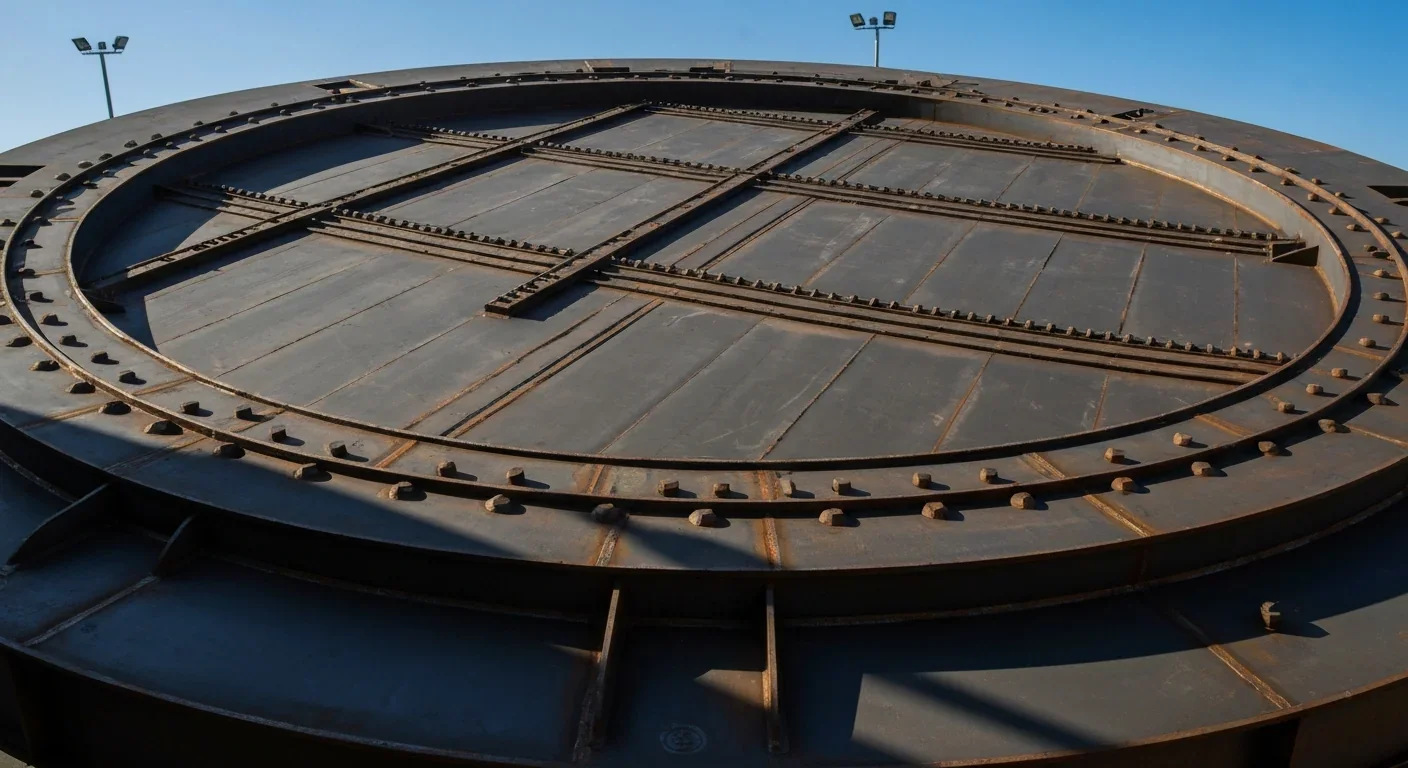
Project Orion was a real 1960s program to reach other stars by detonating 800 nuclear bombs behind a spacecraft. The physics worked and the engineering was feasible, but the 1963 nuclear test ban treaty killed it. It remains the most credible interstellar spacecraft ever designed.

The locus coeruleus, a tiny brainstem structure, degenerates decades before Alzheimer's symptoms appear. Its loss cripples the brain's inflammation control, waste clearance, and sleep regulation. New imaging tools and noradrenergic therapies offer hope for early detection and prevention.

Research shows the sharing economy often increases total resource consumption through the Jevons paradox and rebound effects. Ride-sharing adds billions of vehicle miles, co-working spaces use more energy per worker, and diffused responsibility erodes conservation behavior. Breaking the paradox requires congestion pricing, accountability design, and matching sharing models to appropriate resource types.

Psychological reactance theory explains why banning or restricting things makes people want them more. From Prohibition to the Streisand effect to scarcity marketing, research shows that threatening people's freedom reliably backfires, and autonomy-supportive communication is far more effective.

A carnivorous pitcher plant in Borneo evolved to house bats instead of trapping insects, gaining up to 95% of its nitrogen from bat guano. The plant even built an ultrasonic reflector to help bats find it, revealing that carnivory in plants is a flexible spectrum.

The quantified self movement began as a hacker-ethos pursuit of personal insight, but corporate wearables now funnel biometric data to employers, insurers, and data brokers. With 81% of Americans wrongly believing health apps are HIPAA-protected, a regulatory void enables health data to be sold for pennies while generating anxiety instead of empowerment.
CXL memory pooling lets servers dynamically share DRAM over a cache-coherent interconnect, eliminating the 40% stranded memory waste in data centers. With commercial hardware now shipping and Azure deploying CXL cloud instances, this technology promises to cut memory costs by 50% while enabling composable infrastructure.

Loading featured articles...